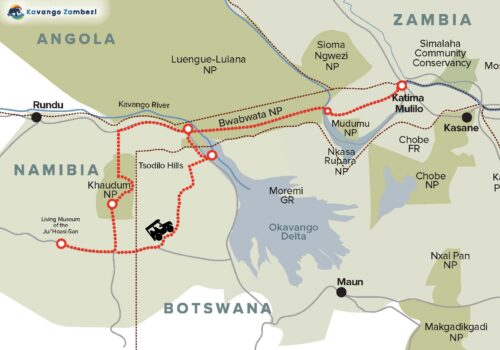
Angola
  Botswana
  Namibia
  Zambia
  Zimbabwe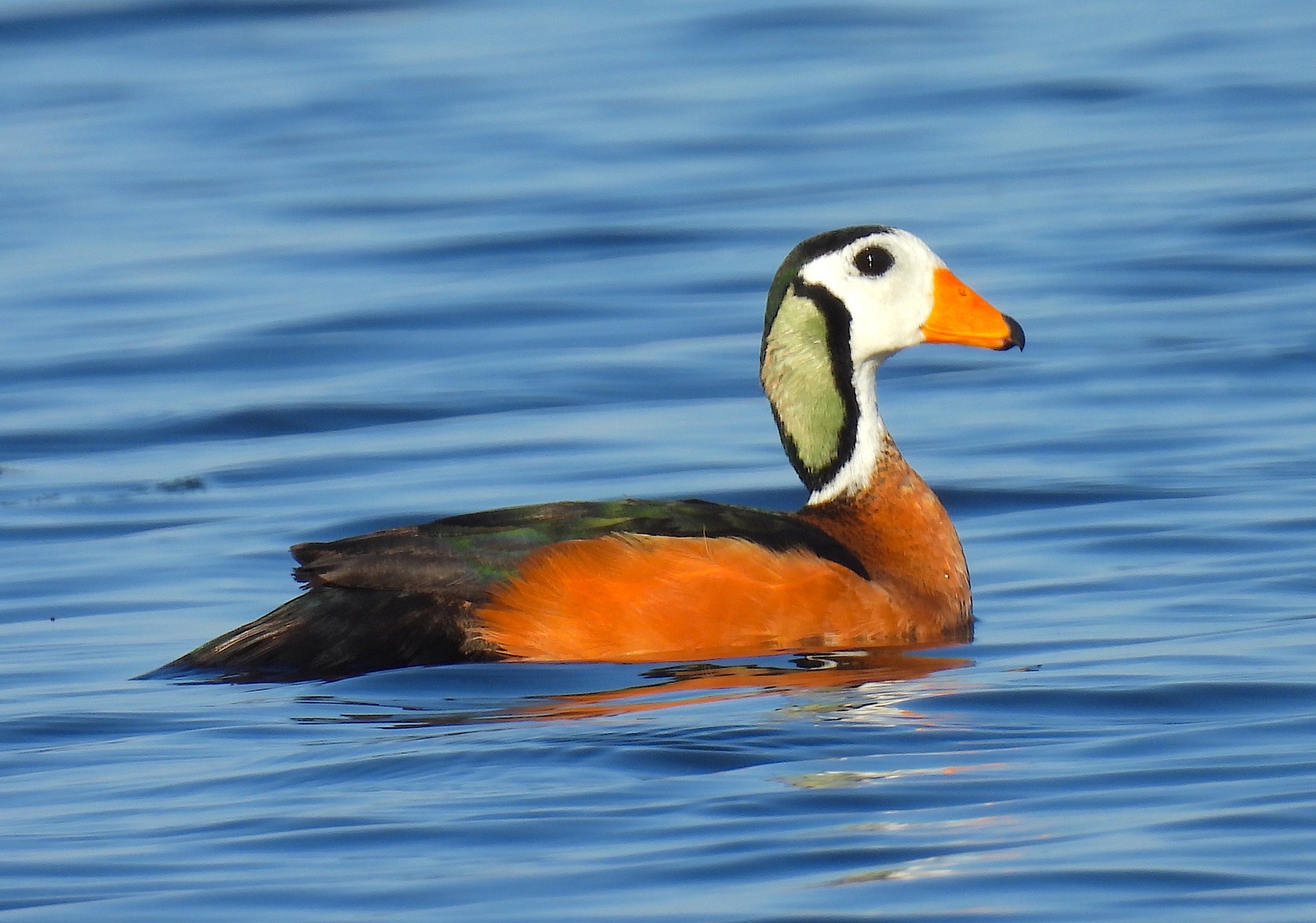
NAMIBIA: Zambezi Region
Namibia’s Zambezi Region lies at the dead centre of the Kavango-Zambezi TFCA and is one of the region’s top birding locations, with over 450 species recorded. Located in the country’s far northeast, it embraces the convergence of two great rivers – the Kwando and Zambezi – and the dynamic tapestry of wetland and woodland that lies between them.
The Kwando River forms the southern boundary of this region and is also Namibia’s border with Botswana. Tucked into its meandering contours are two national parks, Mudumu and Nkasa Rupara, which overlook Botswana’s Linyanti Swamps and host similarly prolific birdlife. Here, the river channels and marshes are home to a wealth of water birds, including Slaty Egret, Rufous-bellied Heron and Saddle-billed Stork, while Wattled Cranes forage on the open floodplain and Pel’s Fishing-owls find hidden roosts in sycamore fig trees. August–September, when water levels are low, sees African Skimmers breeding on exposed sandbars, while sharp eyes might spy Lesser Jacanas and African Pygmy Geese at any season among the floating lilies of smaller pools.
Inland from the river, the woodland teems with birds. Riparian forest resounds with the braying calls of Trumpeter Hornbills, while Schalow’s Turaco and Brown-necked Parrot clamber through the canopy in search of ripe fruit. Retz’s Helmet-shrike, Yellow-bellied Greenbul and the localised Brown Firefinch are among many species flitting through the lower canopy, while a drive through the mopane woodland may produce a Racket-tailed Roller or Arnot’s Chat, or perhaps a pair of Coqui Francolins scurrying through the leaflitter.
Further east along the river, Lake Liambezi is an ephemeral water body that fills up in high rainfall years, collecting large concentrations of wildfowl, such as Blue-billed and Red-billed Teal, plus Pink-backed Pelicans and numerous herons, storks and other wading birds. Beyond this point, the river becomes the Chobe and, after passing the Botswana border post at Ngoma Bridge, it winds northeast along the Chobe floodplain, home to countless waterbirds, from the noisy, ubiquitous African Fish Eagle to huge seasonal flocks of Black-winged Pratincole, which hawk insects over the flooded grasslands.
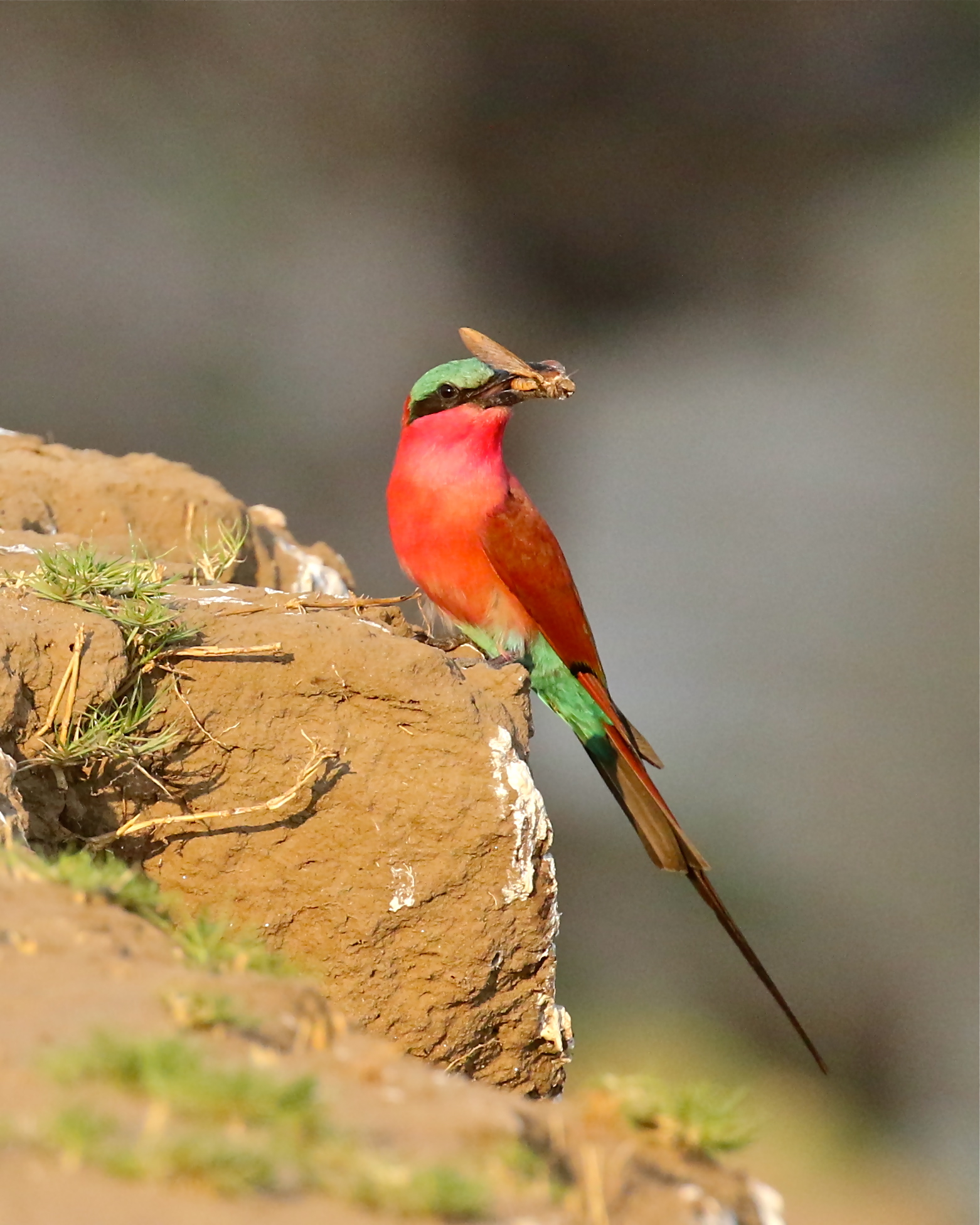
The Chobe meets the Zambezi at Kazangula, where the corners of Namibia, Botswana, Zambia and Zimbabwe converge. Sandwiched between the convergence of the two rivers is the birding paradise of Impalila Island. Boat trips here will encounter cormorants and egrets in their hundreds, plus Rock Pratincoles along the faster flowing stretches and African Finfoot paddling down quieter backwaters. Southern Carmine Bee-eaters swoop around their riverbank colonies, Long-toed Plovers pick their way along the shoreline and an abundance of raptors include both Long-crested Eagle and Western Banded Snake-eagle.
Upstream from here, towards the regional capital of Katima Mulilo, the Zambezi is flanked with extensive grasslands that form vast seasonal wetlands during the annual floods. Here, the likes of Purple Heron, Purple Swamphen and Coppery-tailed Coucal clamber through the reeds, while African Marsh Harriers quarter the marshes – joined in summer by migrant Montagu’s Harriers from Europe. The birding continues around Katima itself, with specials such as Bat Hawk and, in summer, Pennant-winged Nightjar often recorded.
Any visitor to this region will find plentiful ways to enjoy its abundant birdlife. The Zambezi riverfront is well served with fishing camps and tourist lodges, many offering boat cruises and guided birding walks, while lodge safaris in the national parks allow a close exploration of woodland and floodplain, with hides offering great opportunities to photographers.
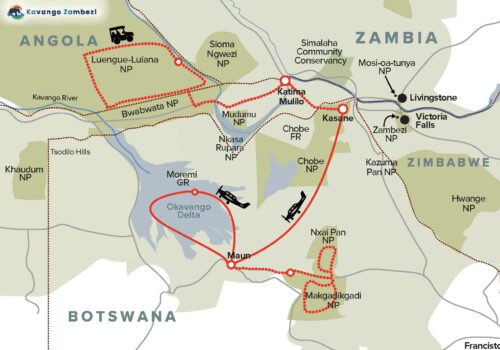
Angola, Namibia and Botswana 14 nights or more
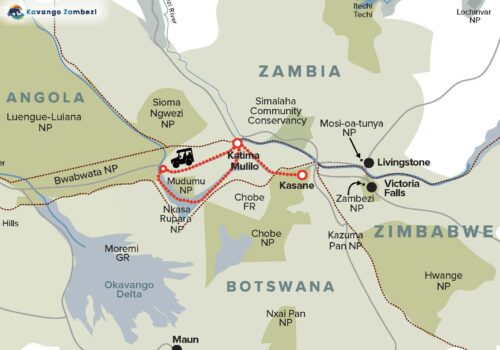
Birding Safari in Botswana and Namibia -7 days or more
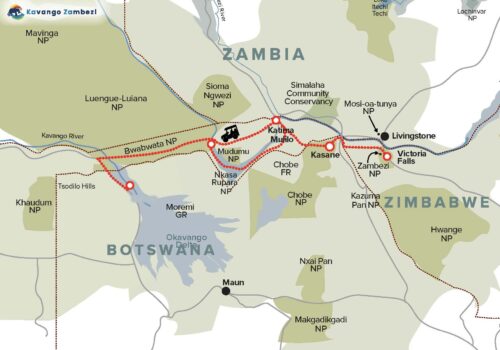
Affordable Botswana / Namibia / Zimbabwe – 15 days or more