Angola
  Botswana
  Namibia
  Zambia
  Zimbabwe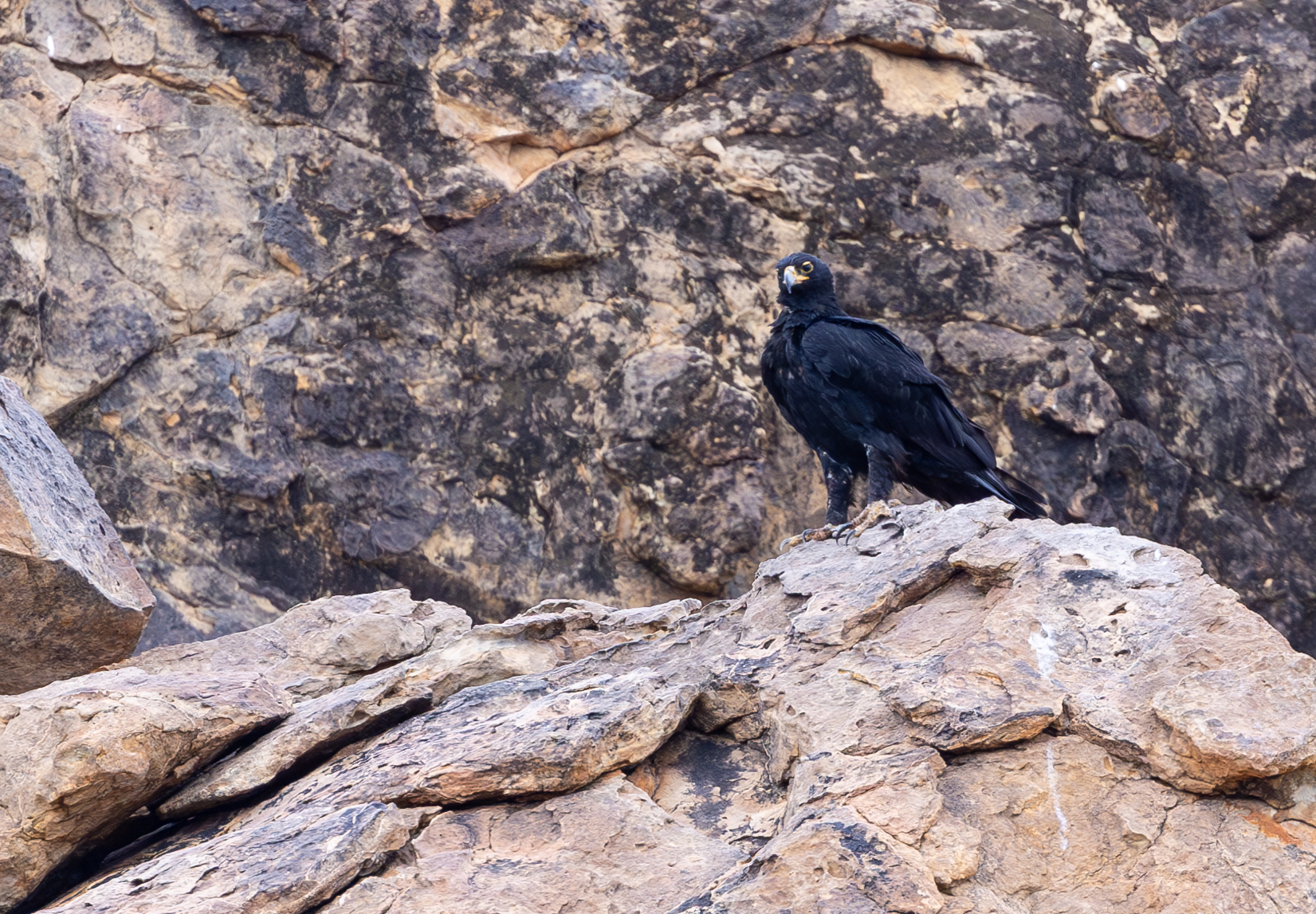
Zimbabwe: Zambezi Valley
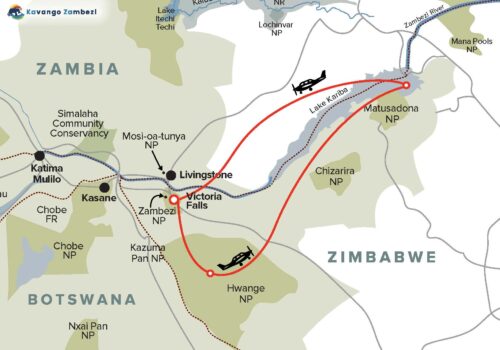
The Zambezi River forms Zimbabwe’s northern border with Zambia, flowing east for some 775km between the two countries. Thundering over Victoria Falls in the northwest, it winds down to the vast expanse of Lake Kariba, whose indented shoreline is flanked to the south by the rugged Zambezi escarpment. It then exits through Kariba Dam into the Lower Zambezi valley before meandering away towards Mozambique. Each of these distinct sections supports a distinct bird community, all with their highlights.
Downstream from Victoria Falls, the Zambezi plunges through a series of gorges that are home to cliff-dwelling birds such as Verreaux’s eagle and African black swift. This is a wild and largely inaccessible stretch of the river. However, the good news for birders is that part of it – around the Zambezi’s confluence with the Gwaai river – is now protected within the Devil’s Gorge Conservancy. This community-based project, reached via Kamativi on the Bulawayo–Victoria Falls Road, is restoring degraded habitat for wildlife and harbours such avian specials as white-backed night-heron and Ayre’s hawk eagle.
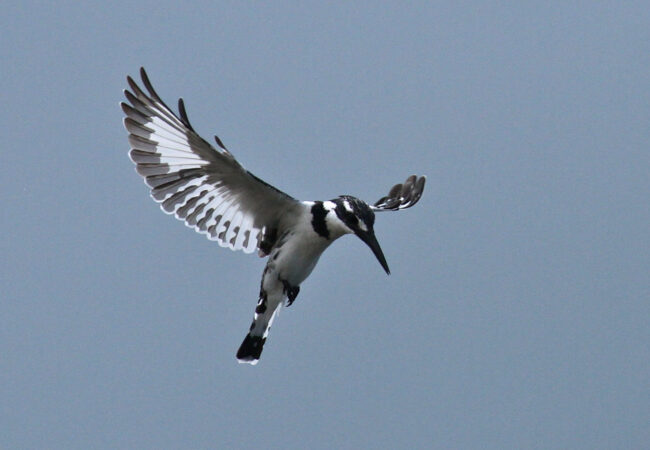
Further east, the river opens out into the vast expanse of Lake Kariba – dammed at its northeastern end in 1958 and now the world’s largest manmade reservoir by volume. Here, the exposed shorelines are a haven for water birds, from long-toed plover and yellow-billed stork to African darter and pied kingfisher. Denham’s bustard and pink-throated longclaw are among the more sought-after species of the fringing grasslands, while fish-eating raptors such as African fish eagle and osprey scan the shallows from on high.
South of the lake, the land rises into the rugged hills of The Zambezi Escarpment. Here, Chizarira National Park offers one of Zimbabwe’s wildest safari experiences. Best known for big game, this little-visited wilderness is also home to more than 400 species of bird. Its tapestry of habitats, including extensive tracts of mopane and miombo woodland, incised by steep gorges, is best explored on foot with an experienced guide. Dedicated birders may find such specials as Narina trogon, African broadbill and the elusive African pitta, while crowned eagle and Pel’s fishing owl are among the predators. In the south of the park, the woodland grades into savannah, providing habitat for such sought-after species as pennant-winged nightjar and Dickinson’s kestrel.
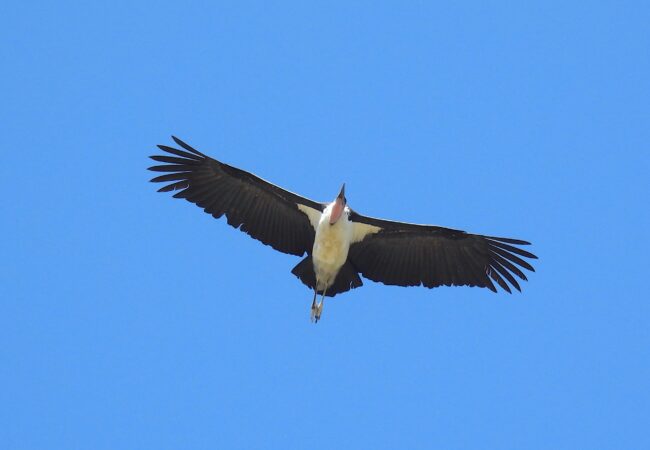
At the eastern end of Lake Kariba, Matusadona National Park protects herds of buffalo and other game that graze the lakeshore. Black-bellied bustards stalk the open grasslands, while Arnot’s chat frequents the mopane woodland and bearded scrub-robin forages through the thickets. Exploring the shoreline by boat may reveal elusive African finfoot and white-backed night-heron along the narrower channels, while the Ume Basin to the west holds important breeding colonies of marabou stork and white-backed vulture, which you may see soaring overhead or joining other vulture species at a lion kill. The visitor to Matusadona has a choice of accommodation, from high-end lodges to campsites and even houseboats. Whatever you choose, a feast of birds is guaranteed.