Angola
  Botswana
  Namibia
  Zambia
  Zimbabwe
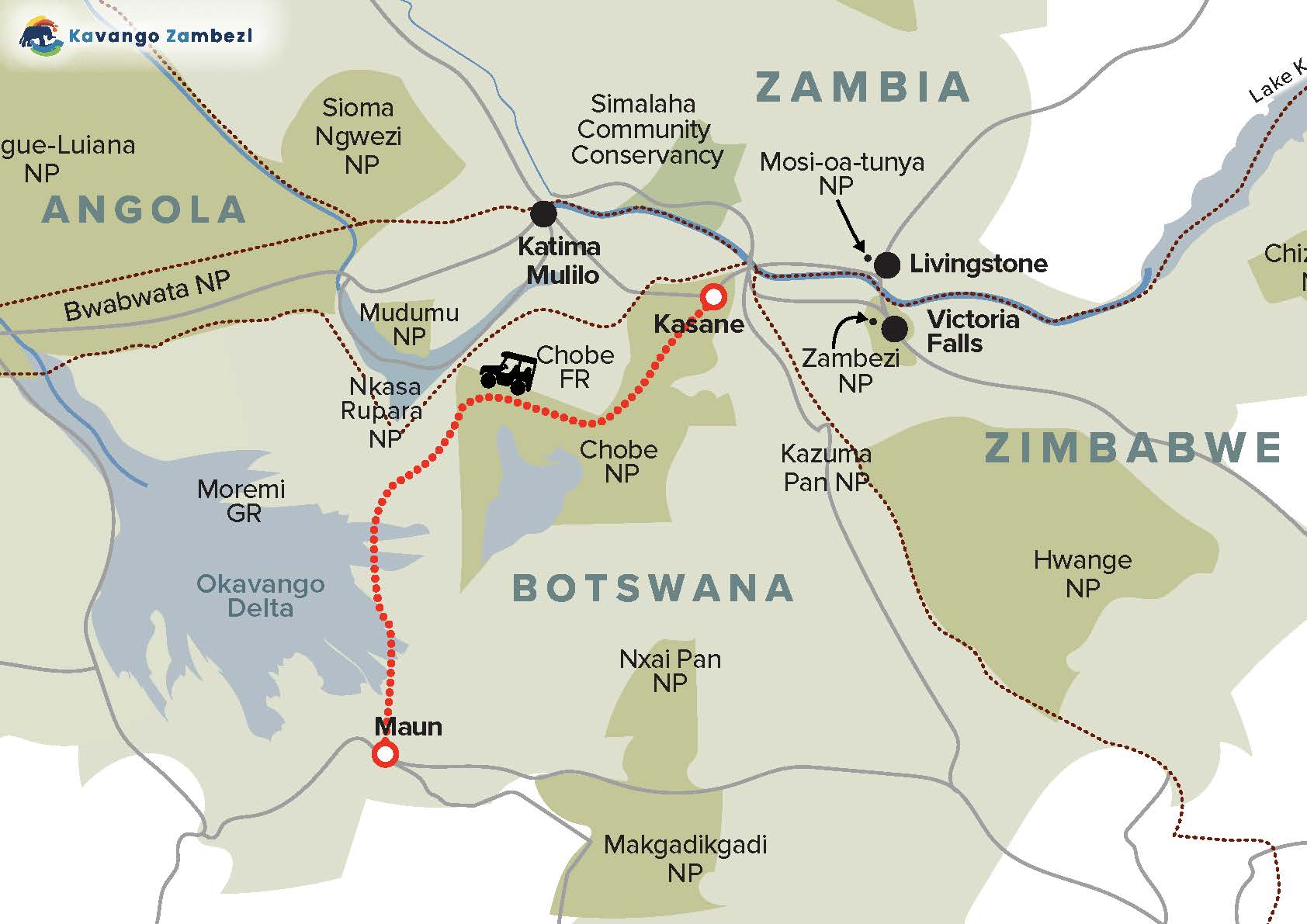
Maun to Kasane via Okavango Delta & Chobe
Overview
Duration: 7 days / 6 nights
Style: Budget to Authentic Tented Camping Safari
Operator: Wild Africa Safaris
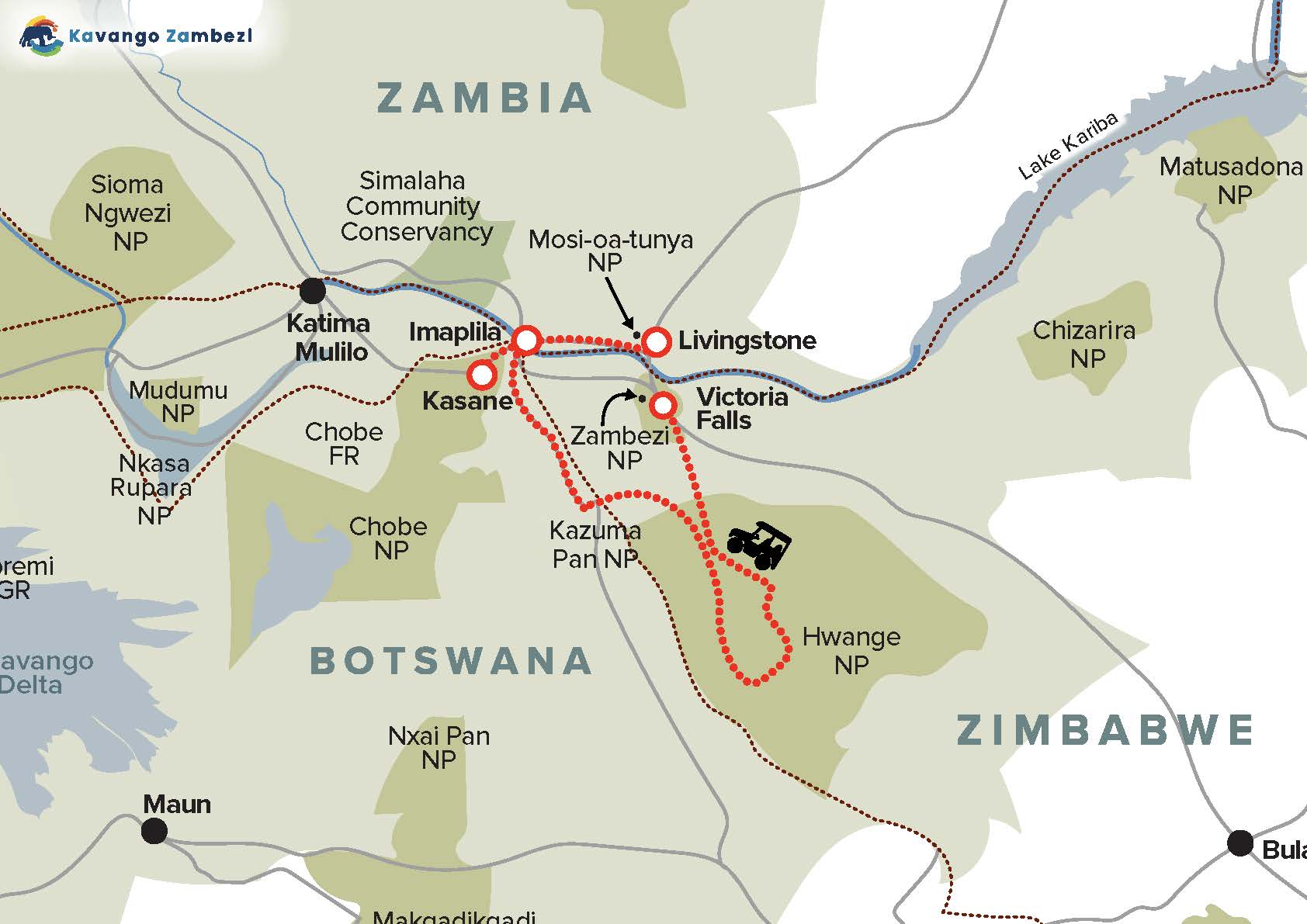
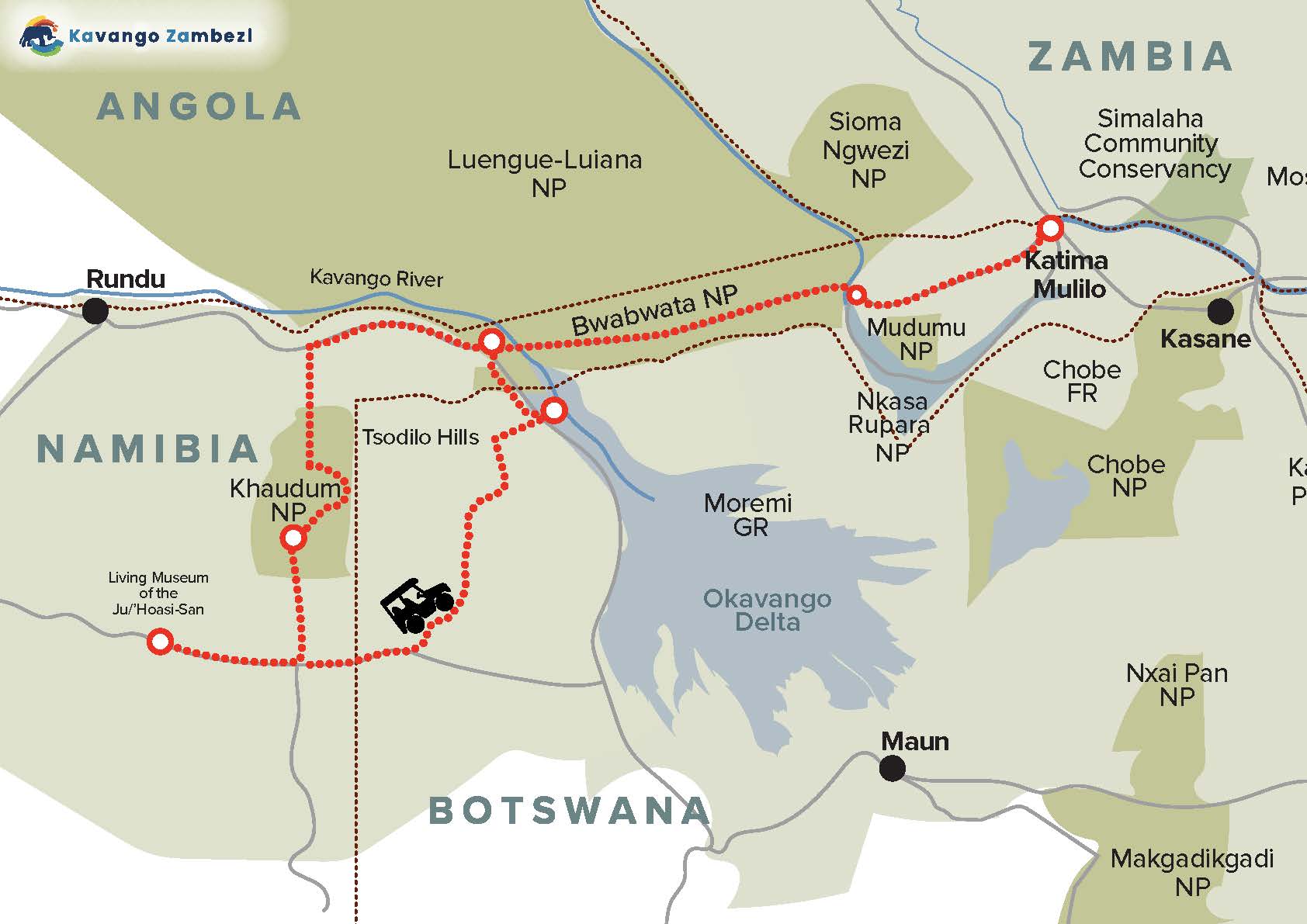
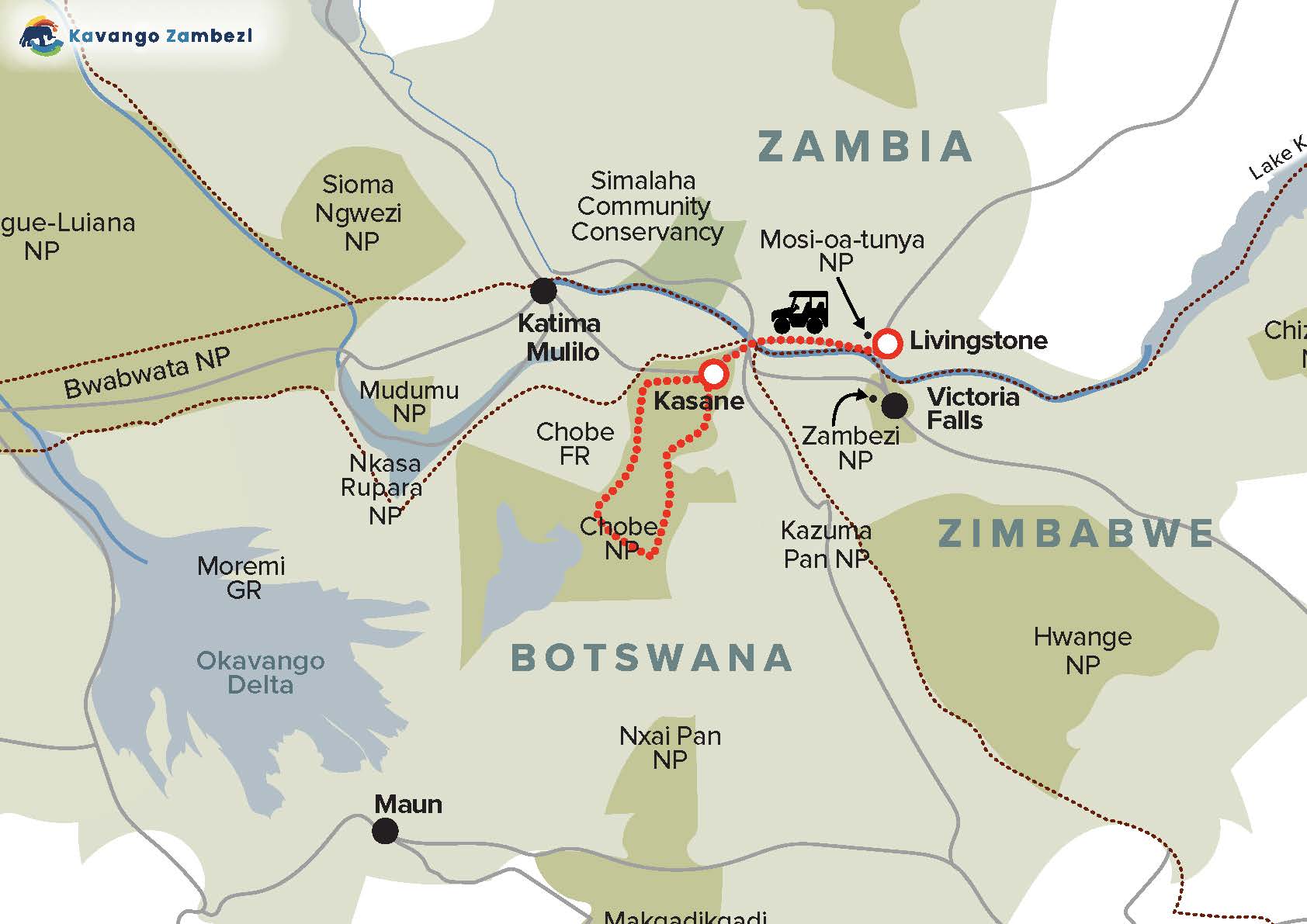
Route: Maun → Moremi Game Reserve → Savuti → Chobe River Front → Kasane
Drop-off options: Kasane International Airport, Zambian border, or Zimbabwean border
Best birding season: November-April (summer migrants and breeding plumage); September-October (residents plus early migrants)
This safari combines exceptional game viewing with outstanding birding opportunities across three distinct ecosystems: the wetlands of the Okavango Delta, the predator-rich plains of Savuti, and the wildlife-dense Chobe River Front.
Day 1: Maun to Moremi Game Reserve
Journey: 3.5-hour drive (wildlife viewing en route may extend travel time)
Accommodation: BOGA Campsite, Moremi Game Reserve
Arrival: Approximately 18:00 hours
Dinner: 19:30 hours
About Moremi Game Reserve
Situated in the heart of the Okavango Delta, Moremi covers 5,000 square kilometres of pristine wilderness in northern Botswana. Named after Chief Moremi of the BaTawana tribe, this reserve uniquely combines permanent water channels with dry land areas, creating stunning ecological contrasts. Key features include Chiefs Island and the Moremi Tongue, where floodplains meet mopane woodland.
Unlike typical national parks, Moremi was designated as a Game Reserve, allowing the indigenous BaSarwa (Bushmen) communities to remain on their ancestral lands.
Wildlife & Birding
Moremi offers exceptional game viewing alongside world-class birding on its lagoons and waterways. The reserve is home to all major predators and large concentrations of elephant, buffalo, and antelope species.
Bird highlights: The mosaic of habitats supports over 400 species including:
- Waterbirds: African Skimmer, Slaty Egret (rare), Rufous-bellied Heron, Lesser Jacana, Pygmy Goose
- Specials: Pel’s Fishing Owl, Swamp Boubou, Brown Firefinch, Chirping Cisticola
- Raptors: African Fish Eagle, Martial Eagle, Bateleur, Western Banded Snake Eagle
- Woodland species: Meyer’s Parrot, Bennett’s Woodpecker, Gorgeous Bush Shrike
Evening arrival allows time to settle in and enjoy the sounds of the African night.
Day 2: Full Day in Moremi Game Reserve
Morning game drive: 06:00-11:00 hours (after breakfast)
Lunch & siesta: 11:00-15:00 hours
Afternoon game drive: 15:30 hours until after sunset
Dinner: 19:30 hours
Activities
Two game drives exploring Moremi’s diverse habitats—from floodplains and reed-lined channels to mopane forests and acacia woodlands. Your guide will focus on both wildlife encounters and birding opportunities.
Morning drive focus: Early starts yield the best birding activity. Target kingfishers, bee-eaters, and herons along water channels. Watch for Pel’s Fishing Owl roosting in large riverine trees and African Skimmers resting on sandbars.
Afternoon/evening drive: As temperatures cool, predators become active. The golden-hour light is perfect for photography. Listen for nocturnal birds as darkness falls—Fiery-necked Nightjar, Freckled Nightjar, and various owls including Marsh Owl over floodplains.
Day 3: Moremi to Savuti (Chobe National Park)
Journey: 120km full-day game drive
Lunch: Picnic en route
Accommodation: BOGA Campsite, Savuti
Arrival: Approximately 18:00 hours
The Journey
This spectacular drive through Chobe National Park (10,878 km²) transitions from Okavango wetlands to the ancient Savuti landscape. The route itself offers excellent game viewing and birding opportunities.
About Savuti
The Savuti Marsh is a relic of a vast inland lake, its water supply severed long ago by tectonic shifts. This creates a unique ecosystem alternating between wet and dry phases. The area is legendary for large predator concentrations, particularly lion prides and spotted hyena clans. During migration seasons, massive zebra herds traverse the region.
Birding Notes
The transition from wetland to dryland habitats means observing dramatic changes in bird communities. Watch for:
- Kori Bustards on the open plains
- Secretary Birds stalking through grasslands
- Large raptor concentrations (migrant Steppe Eagles, Tawny Eagles, vultures)
- Bateleur Eagles soaring overhead
- White-backed Vultures and Lappet-faced Vultures at carcasses
Day 4: Full Day in Savuti
Morning game drive: 06:00-11:30 hours (after breakfast)
Lunch & rest: 11:30-15:30 hours
Afternoon game drive: 15:30 hours until sunset
Dinner: 19:30 hours
Activities
Two extensive game drives exploring Savuti’s renowned predator territories and seasonal marshlands. The vast open plains offer excellent visibility for spotting wildlife and observing hunting behaviour.
Wildlife & Birding
Savuti is famous for its predator action—lion prides, leopard, cheetah, wild dog, and spotted hyena. During dry season, wildlife concentrations around waterholes are exceptional. Elephant bulls are particularly numerous.
Savuti’s distinctive birds:
- Raptors galore: Martial Eagle, Brown Snake Eagle, Black-chested Snake Eagle, Bateleur, African Hawk-Eagle
- Ground birds: Kori Bustard, Red-crested Korhaan, Northern Black Korhaan, Temminck’s Courser
- Grassland species: Yellow-throated Sandgrouse, Double-banded Sandgrouse (at waterholes), Shaft-tailed Whydah
- Specialties: Bradfield’s Hornbill (in mopane woodland), Arnot’s Chat, Crimson-breasted Shrike
- Migrants (summer): Abdim’s Stork, Yellow-billed Kite, European Roller, Woodland Kingfisher
Watch for vultures circling—they often lead to predator kills and provide spectacular viewing opportunities.
Day 5: Savuti to Chobe River Front
Journey: 142km through the park, plus 30km on sealed road through villages
Drive time: Full day
Lunch: Picnic en route
Accommodation: BOGA Campsite, Chobe River Front
Arrival: Approximately 18:00 hours
The Journey
This full-day drive transitions from Savuti’s arid plains to the lush, wildlife-rich Chobe River Front. The sealed road section passes through local villages, offering glimpses of rural life in Botswana.
About Chobe River Front
The Chobe River Front is world-famous for hosting Africa’s largest elephant population and exceptional wildlife densities, particularly during the dry season (May-October) when animals concentrate along the permanent water source.
En Route Birding
Watch for habitat changes bringing new species:
- African Hoopoe and Green Wood-Hoopoe
- Fork-tailed Drongo
- Lilac-breasted Roller
- Red-billed Hornbill and Southern Yellow-billed Hornbill
Day 6: Full Day at Chobe River Front
Morning game drive: 06:00-11:00 hours (after breakfast)
Lunch: 11:00-14:00 hours at campsite
Afternoon boat cruise: 3 hours (departing from Kasane town)
Return to camp: Approximately 19:00 hours
Dinner: 19:30 hours
Activities
A combination of land and water-based game viewing—the perfect way to experience Chobe’s incredible diversity.
Morning game drive: Focus on the riverine forests, floodplains, and grasslands behind the river. Excellent for general game and woodland birds.
Afternoon boat cruise: The highlight of Chobe—a three-hour cruise along the legendary Chobe River. This is one of Africa’s best wildlife experiences, with elephants swimming between islands, massive buffalo herds coming to drink, and hippos wallowing in the shallows.
Wildlife & Birding Paradise
Chobe River Front hosts extraordinary wildlife densities. Expect to see hundreds of elephants, particularly in the dry season, plus large buffalo herds, giraffe, kudu, waterbuck, and warthog. Predators include lion, leopard, and spotted hyena. Hippo and crocodile are abundant.
The boat cruise offers unparalleled photographic opportunities with wildlife at eye-level and golden-hour lighting.
Day 7: Departure Day
Early wake-up: 06:00 hours
Breakfast: 06:00 hours
Final morning game drive: En route to exit gate
Drop-off: Kasane International Airport, Zambian border, or Zimbabwean border (as arranged)
Final Morning
A last opportunity to enjoy Chobe’s remarkable wildlife as you drive toward the park exit. Your guide will ensure timely arrival at your chosen drop-off point while maximizing final game viewing.
Seasonal highlights:
- September-November: Southern Carmine Bee-eater breeding colonies (thousands of birds)
- November-April: Intra-African and Palearctic migrants arrive
- December-February: Peak breeding season—birds in breeding plumage