Getting Started
How to Get There
Health and Safety
The Kavango Zambezi region is generally safe for travellers, but it’s always wise to take precautions to ensure a smooth trip:
- Vaccinations: Check with your doctor about recommended vaccinations, including yellow fever (if coming from a yellow fever zone) and routine boosters.
- Malaria Prevention: The region is in a malaria zone, so bring mosquito repellents, wear long sleeves in the evening, and consider taking anti-malarial medication.
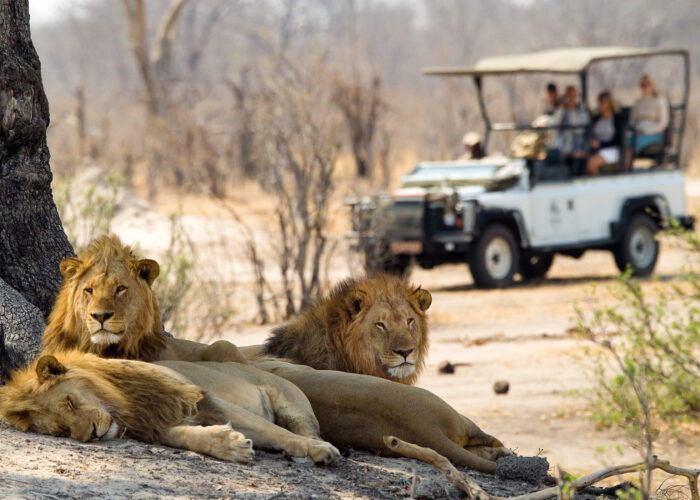
- Wildlife Awareness: When in wildlife areas, always follow the guidance of your guides to avoid unnecessary risks.
- Emergency Services: Carry travel insurance and familiarize yourself with the location of local medical facilities.
Always respect the local culture and adhere to park rules to ensure a safe and enjoyable visit.
Visas
Visiting the Kavango Zambezi region often requires visas, depending on your nationality and the countries you plan to enter:
- KAZA UniVisa: This convenient visa covers travel between Zimbabwe and Zambia, with access to certain day trips into Botswana.
- Individual Visas: If you’re visiting Namibia, Botswana, or Angola, you’ll need to apply for visas for these countries separately.
Ensure your passport is valid for at least six months beyond your travel dates and has enough blank pages for visa stamps. It’s recommended to check with local embassies for the latest visa requirements before traveling.

When to Visit
The Kavango Zambezi region is a year-round destination, but the best time to visit depends on your interests:
- Wildlife Viewing (Dry Season): June to October, when animals congregate around water sources, making them easier to spot.
- Birdwatching and Lush Landscapes (Wet Season): November to April, when migratory birds arrive, and the landscapes are green and vibrant.
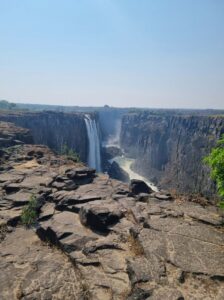
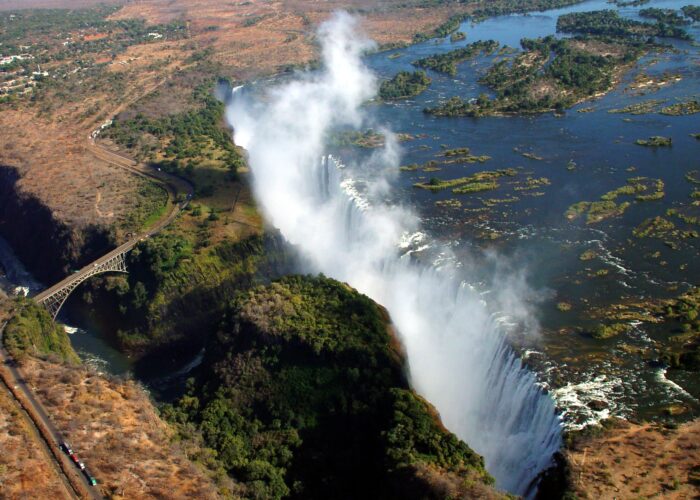
- Victoria Falls Peak Flow: February to May, when the falls are at their most dramatic after the rainy season.
Each season offers unique experiences, so plan accordingly based on your priorities.
Length of Stay
How long you spend in the Kavango Zambezi region depends on the activities and destinations you want to include:
- Short Trips (3-5 Days): Focus on one or two key attractions, such as Victoria Falls and a safari in Chobe National Park.
- Extended Stays (7-14 Days): Explore multiple countries, including the Okavango Delta, Tsodilo Hills, and the Zambezi River.
- Immersive Adventures (2+ Weeks): Take time to fully immerse yourself in the region’s diverse landscapes, cultures, and wildlife by combining multiple destinations.

Getting Around
Navigating the Kavango Zambezi region can be an adventure in itself:
- By Road: Well-maintained highways connect key destinations, and self-drive is a popular option. Consider renting a 4×4 for more remote areas.
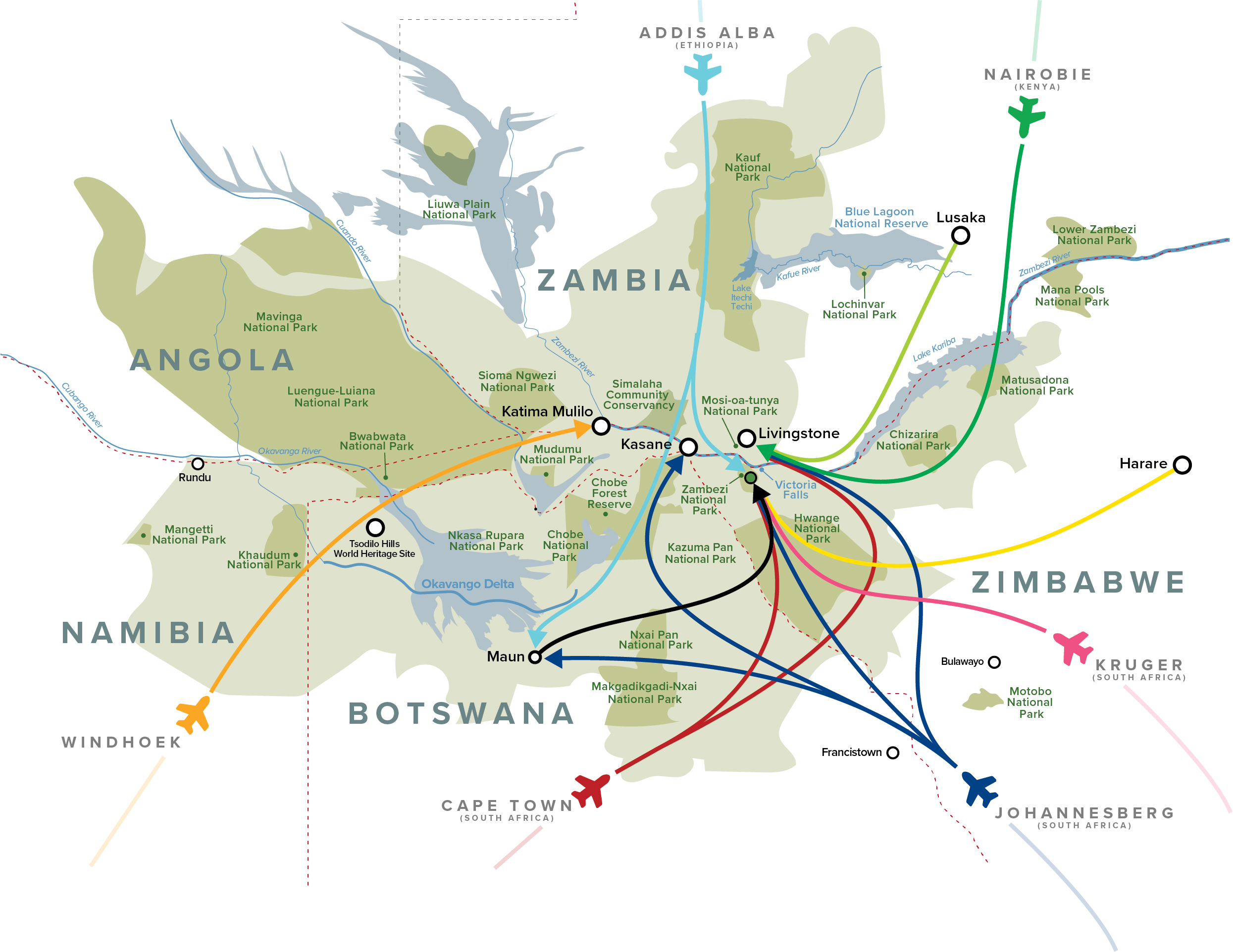
- By Air: Charter flights are available to remote camps and lodges, particularly in the Okavango Delta and other wildlife-rich areas.
- By Water: Many lodges and tour operators offer boat transfers and cruises along the Zambezi and Chobe Rivers.
- By Public Transport: Public buses and shared taxis operate between towns but may not reach remote attractions, making private transport preferable for exploration.
Plan your routes in advance and allow extra travel time, as cross-border journeys often include customs and immigration checks.
Suggested Itineraries
- 3-Day Itinerary: Spend a day exploring Victoria Falls, followed by a safari in Chobe National Park or a boat cruise along the Zambezi River.
- 7-Day Itinerary: Start in Livingstone, Zambia, to visit Victoria Falls, then head to Botswana’s Chobe National Park and the Okavango Delta for unforgettable wildlife experiences.
- 14-Day Itinerary: Begin in Windhoek, Namibia, and travel through the Caprivi Strip to explore the Kwando River, Victoria Falls, and Chobe National Park. End your trip with a mokoro safari in the Okavango Delta.
Customisable itineraries ensure that traveller’s of all types can experience the best the region has to offer.