Angola
  Botswana
  Namibia
  Zambia
  Zimbabwe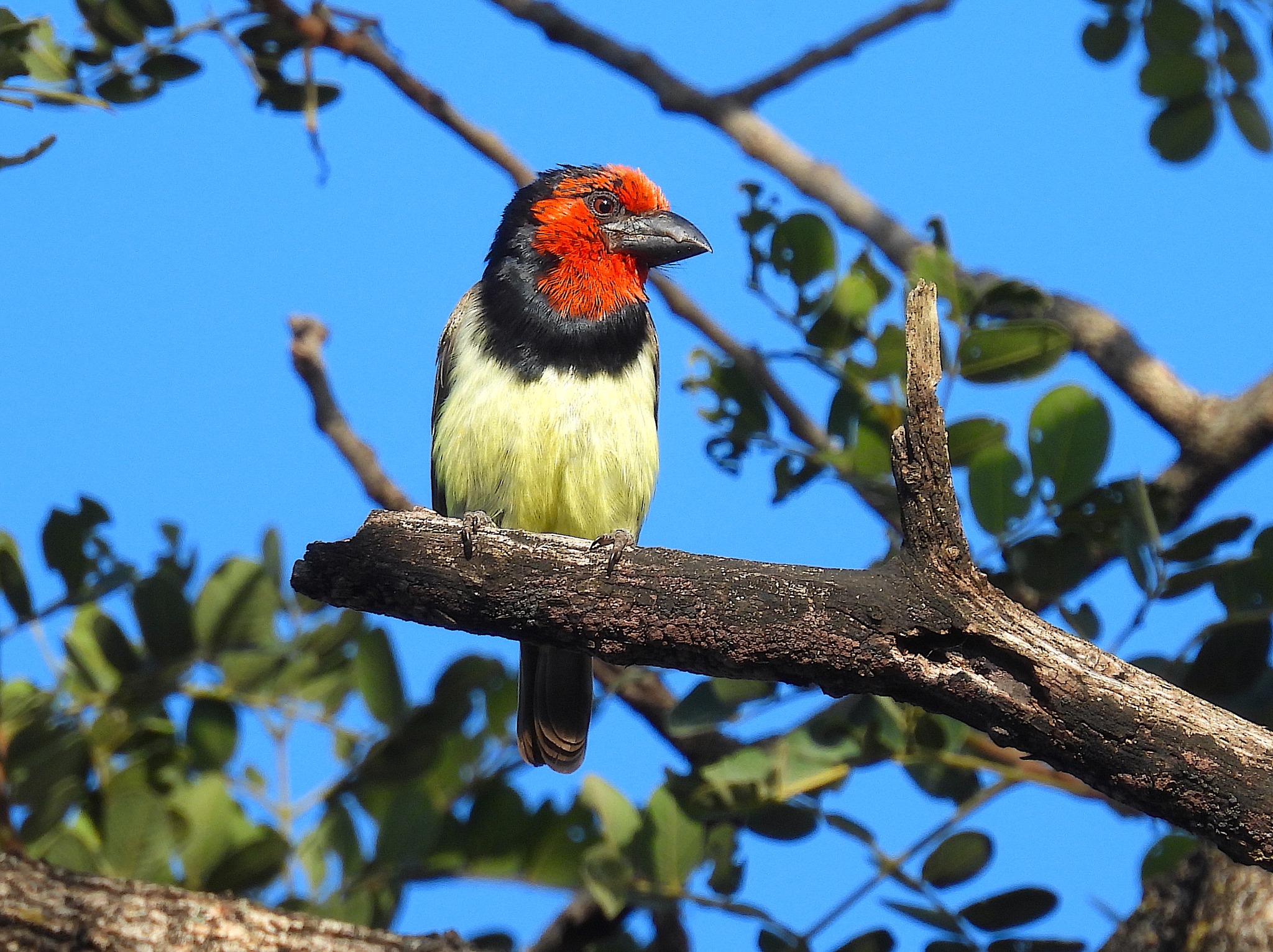
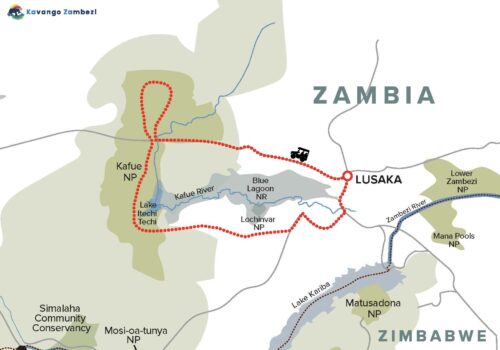
Zambia: Kafue National Park
Kafue is Zambia’s largest national park. At 22,400 km2, it is larger than Wales, and protects a substantial stretch of the Kafue River, the largest tributary of the Zambezi. Despite its vast size, the park is one of the less visited in the Kavango-Zambezi TFCA. This means a treat for wilderness lovers – and especially birders, for whom it offers an impressive variety, with over 515 species recorded. The park falls into several distinct sections, each with its own suite of habitats and community of birds, including some species found nowhere else in the region.
The far northwest of Kafue is dominated by the Busanga Plains, a wetland of global importance under the Ramsar Convention. After the annual floods, this maze of channels and lagoons resembles Botswana’s Okavango Delta, with staggering numbers of water birds. Flocks of Wattled Crane and Grey-crowned Cranestalk the flooded grasslands, while Open-billed Storks may gather by the thousand, alongside impressive numbers of herons and egrets, including the locally endemic Slaty Egret. African Jacanas forage among the lilies and Collared Pratincoles flock overhead.
Among the birds of Busanga are several found at the southernmost limit of their African range. Both Böhm’s and Blue-breasted Bee-eater hawk insects at the water’s edge, while Fülleborn’s Longclaw and Reichard’s Seedeater forage in the open areas, and Yellow-mantled Widowbirds flaunt their long tails above the tall grass. Palm islands offer a haven for songbirds, including such local specials as Yellow-bellied Hyliota and Black-necked Eremomela, found nowhere else in the TFCA.
The Lufupa River flows south from Busanga to join the Kafue River near the centre of the park, and is home to numerous waterbirds, including African Skimmers, which nest on the sandbars, and Pel’s fishing Owls, which frequent the riparian forest along the banks. Away from the river, the habitat is dominated by miombo woodland, comprising a mix of Brachystegia and other broad-leafed trees. Here you can find the endemic Chapins (or Zambian) Barbet, perhaps the most coveted ‘tick’ for any birder in Zambia, with pairs duetting conspicuously from tall fig trees during the August–November breeding season. Other barbets, including Black-collared Barbet and Black-backed Barbet, compete for likely nest holes, alongside six species of woodpecker.
The carpet of miombo extends south over the east-west M9 highway that bisects the park, dominating the landscape around the central Chunga area. Other special birds of this habitat include the aptly named Miombo Scrub-robin and Miombo Blue-eared Starling. Here, the beautiful but elusive Narina Trogon is best located by its repetitive call, while evening during the rainy season may produce a Pennant-winged Nightjar, trailing its spectacular plumes. Numerous raptor species frequent the area, with the localised Western Banded Snake-eagle being a particular attraction.
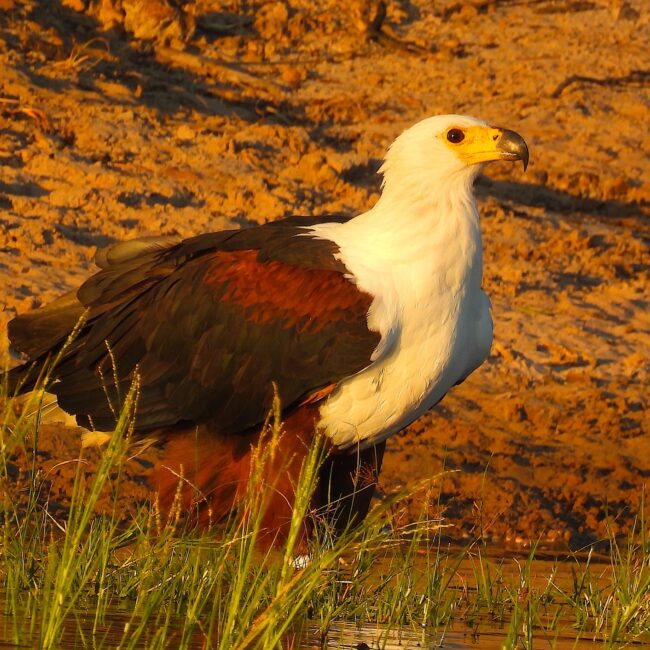
Further south, the Kafue River passes through areas of rocky rapids, where you might spy an African Finfootnosing around in the quieter backwaters. Here, a flash of blue over the water may herald a Half-collared Kingfisher, while a flash of red in the overhanging riparian woodland might betray Schalow’s or even a Ross’s Turaco – both species often betrayed by their growling calls. Continuing south, the river flows into the large manmade Lake Itezhi-Tezhi, where the cry of the African Fish Eagle rings out over the grunting of hippos, before exiting the park eastwards. South of this lake, the Ngoma teak forest presents another distinct woodland habitat, home to such notable species as the Racquet-tailed Roller and highly localised Souza’s Shrike.
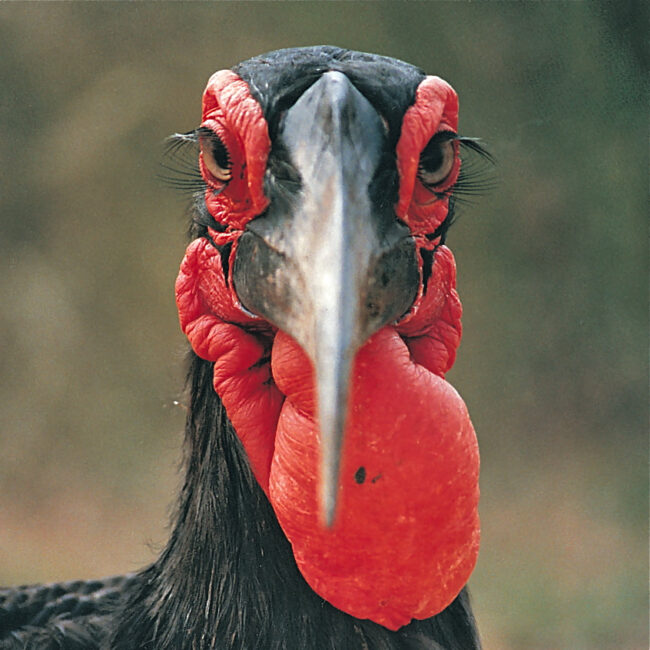
Kafue’s southernmost section centres on the Nanzhila Plains – a more arid habitat, comprising open grassland surrounded by mopane woodland. This is one of the best areas in the park to find Zambia’s other endemic bird, the diminutive Black-cheeked Lovebird, typically encountered in noisy, fast-flying flocks. Other notable species include Sooty Chat and Secretary Bird, while you might spy family groups of Southern Ground-hornbill picking through the open areas, Yellow-throated Sandgrouse winging between waterholes, and Coppery-tailed Coucals delivering their distinctive ‘water-bottle call’ from rank vegetation. Look out overhead for soaring Vultures and scan the open areas for stately flocks of Cranes.
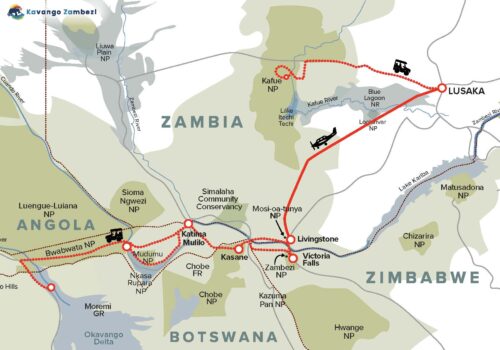
Birding across 4 Countries – 24 or more days
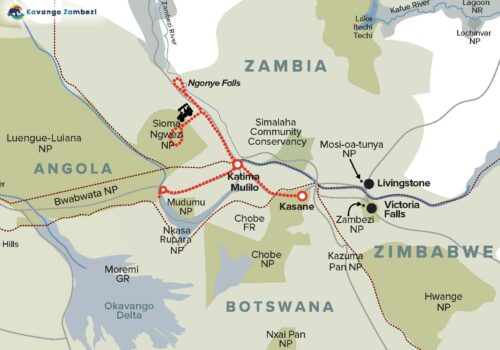
Affordable Botswana / Namibia / Zambia – 8 days or more