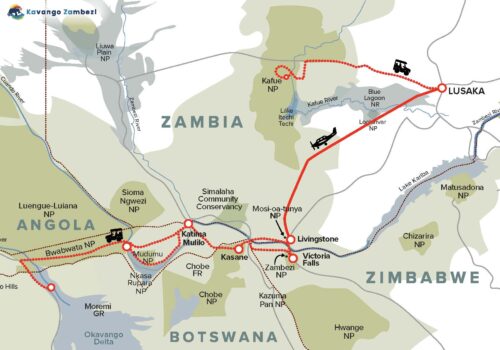
Angola
  Botswana
  Namibia
  Zambia
  Zimbabwe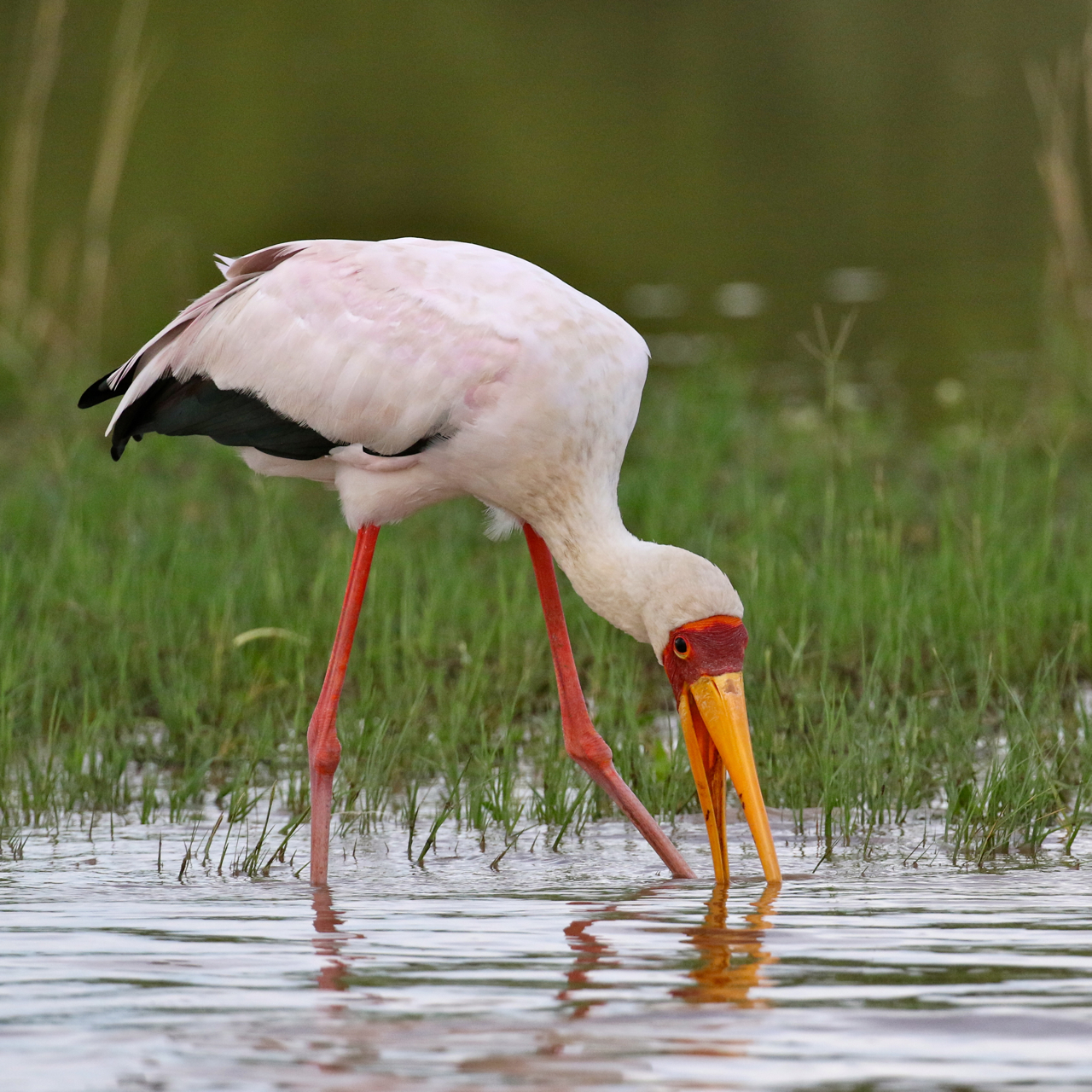
Botswana: Okavango Delta, Khwai Community and Panhandle
The Okavango Delta comes laden with superlatives: the world’s largest inland delta, a UNESCO World Heritage site and Southern Africa’s largest Ramsar wetland site, for starters. As well as its celebrated big game, it also offers one of Africa’s great birding experiences. Over 450 species have been recorded across a rich tapestry of habitats that includes lush lagoons, winding waterways, seasonal swamps and wooded islands. Numbers and species fluctuate as water levels rise and fall with the seasonal floods, with the November–April rainy season bringing countless migrants to swell the ranks of the resident birds.
In the eastern part of the Delta lies Moremi Game Reserve, one of the region’s premier safari locations. As the flood waters recede, from October to December, water levels fall, exposing rich feeding grounds for wading birds such as storks and herons. Among the former are Saddlebill, Woolly-necked, Marabou, African Open-bill and Yellow-billed, while the latter includes the near-endemic Slaty Egret, for which the Okavango is the world’s stronghold. The ringing call of the African Fish Eagle is inescapable, while gems such as Malachite Kingfisher and Little-Bee-eater bring a splash of colour to the water’s edge.
Each component of the wetland mosaic has its signature species. Thus small, lily-fringed pools hold shy African Pygmy Geese, reedbeds hold Coppery-tailed Coucal and Chirping Cisticola, and floodplain edges are prime habitat for Pink-throated Longclaw and Natal Nightjar – the latter revealed after dark by its distinctive, mechanical chow chow chow call. Large gatherings of the elegant, endangered Wattled Cranestrut the flooded grasslands, while large riparian trees offer daytime roosts to the sought-after Pel’s Fishing Owl. Away from the water, the savannah woodland teems with smaller birds, including such local specials as African Mourning Dove, Brown Firefinch and White-rumped Babbler, while a harsh call may reveal a Western-banded Snake Eagle watching from the canopy.
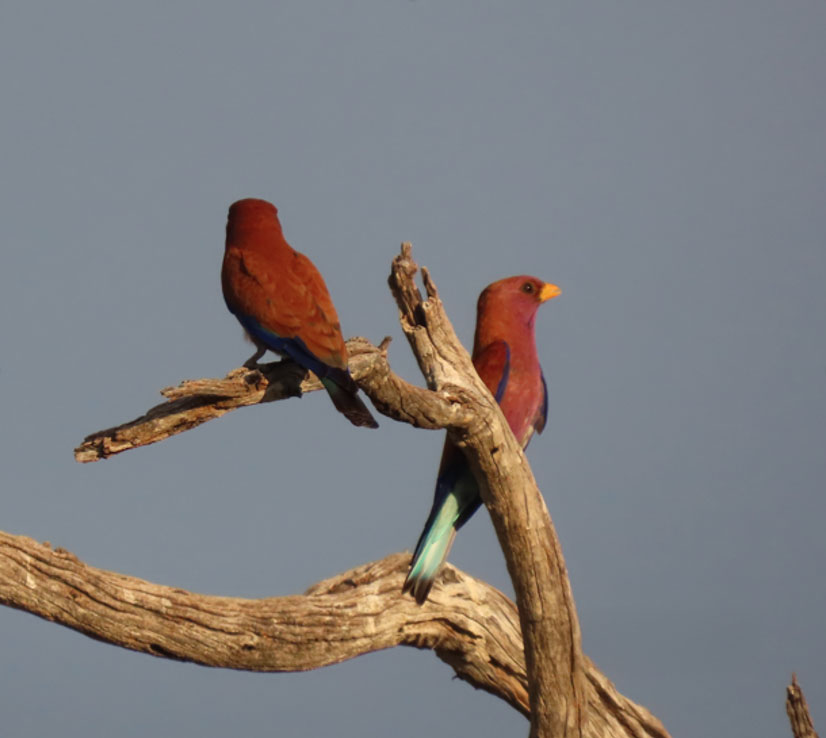
To the north-east of Moremi, Khwai Community Concession is a privately managed reserve that protects the Khwai River where it exits the delta, forming a seasonal conduit between the Okavango and Chobe/Linyanti further north. As an extension of the delta, it holds similar wetland birds, including the familiar range of herons, storks and kingfishers, plus Long-toed Lapwing on the fringes and Red-billed Teal in the waterways. Raptors such as Bateleur Eagle cruise above the savannah woodland, where Rufous-crowned Roller and – during the rains – Broad-billed Roller flash their vivid plumage alongside the familiar Lilac-breasted Roller. Deeper in the mopane woodland are species typical of this habitat, including Red-billed Hornbill and Meves’s Starling, while you might also spy a roosting Barred Owlet, often betrayed by mobbing songbirds, or glimpse the black-and-white of an Arnot’s Chat.
On the western side of the Okavango is the Panhandle, where the Okavango River winds down from the northwest between broad sandbanks and dense papyrus stands, before it spreads out into the delta. This area does not support the large game herds of the central delta but for birders it offers rich rewards. Notably, it is probably the most reliable site in southern Africa to find the coveted Pel’s Fishing Owl, which can sometimes be found roosting in the grounds of lodges. From July to December, African Skimmers breed on exposed sandbars, while Southern Carmine Bee-eaters flutter and dart around their riverbank colonies. The reedbeds are busy with weavers, including Brown-throated and Golden, while the fluting duets of Swamp Boubousresound from the waterside tangle. Waterbird numbers fluctuate with water levels – low water often bringing feeding parties of White Pelican, which co-operate to corral fish into the shallows. At dusk, look out for the dashing profile of a Bat Hawk hunting its fluttering prey over the water.
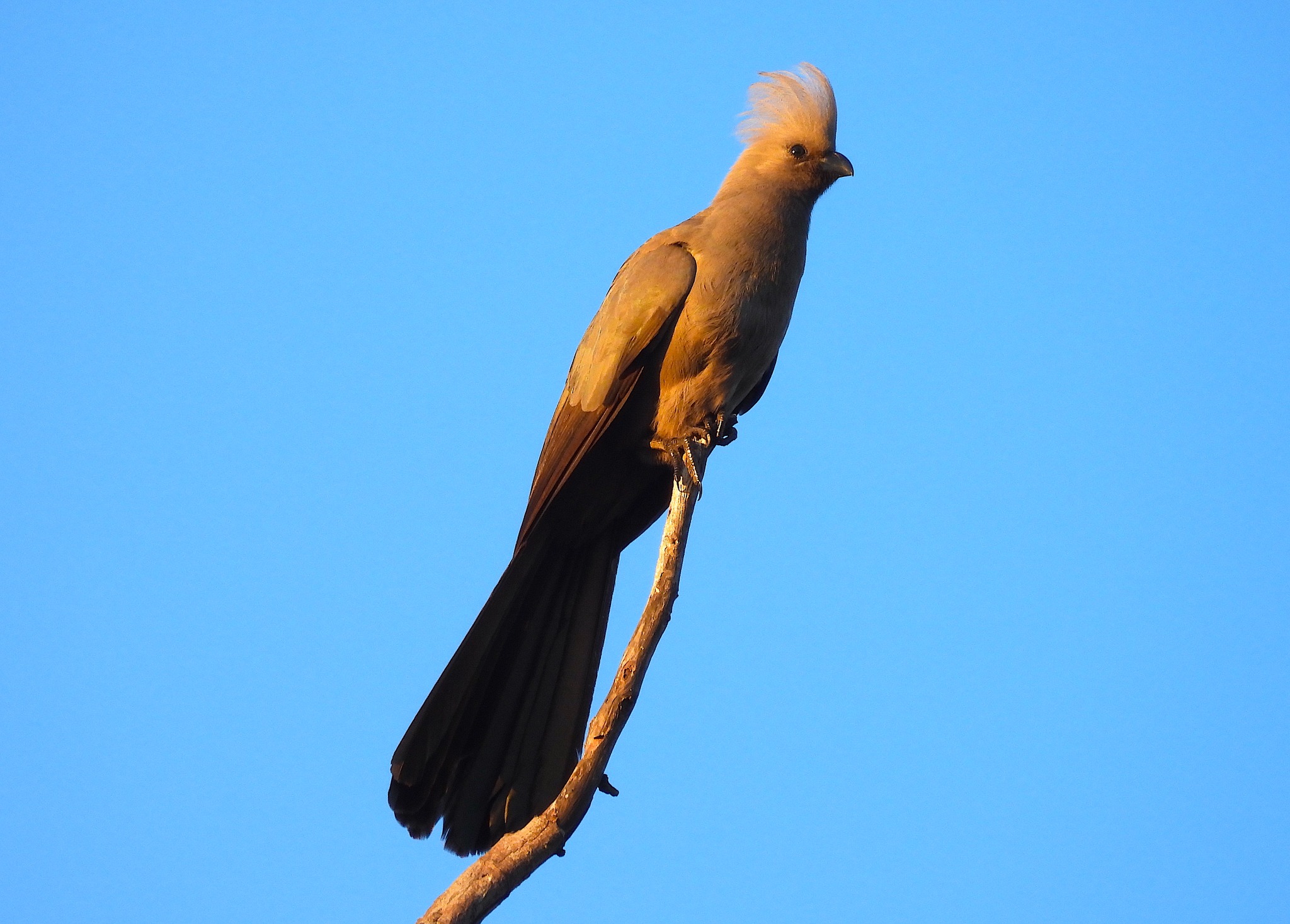
Just south of the Panhandle lie the mysterious Tsodilo Hills, a UNESCO World Heritage Site, famed for its spectacular ancient rock art. Here, among the great rock outcrops that loom unexpectedly above the flat Kalahari horizon, you might encounter species typical of rocky terrain, including Verreaux’s Eagle and Rock Kestrel, while Grey Go-away Bird, Southern Yellow-billed Hornbill and Green-winged Pytilia are among the many acacia savannah birds that frequent the surrounding woodland.
The birding delights of the Okavango are well served by an extensive network of lodges and tourist facilities. Boat trips offer a particularly rewarding way to discover the aquatic birdlife, whether by motor launch on the main rivers, or poling quietly down reed-fringed channels in a dug-out mokoro. Birders should be aware that lodges are unfenced and potentially dangerous wildlife roams freely across the area.
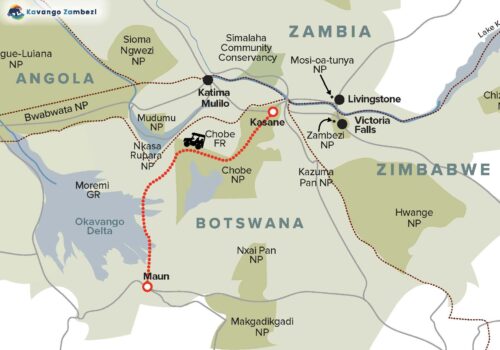
Botswana Birding & Wildlife Safari – 7 days or more
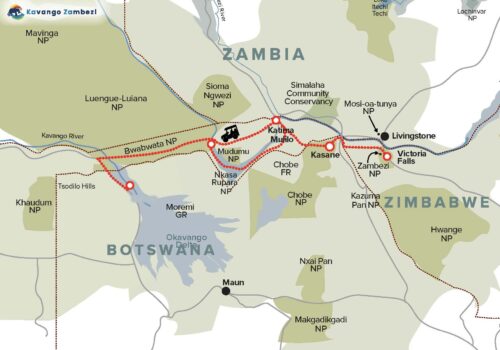
Affordable Botswana / Namibia / Zimbabwe – 15 days or more
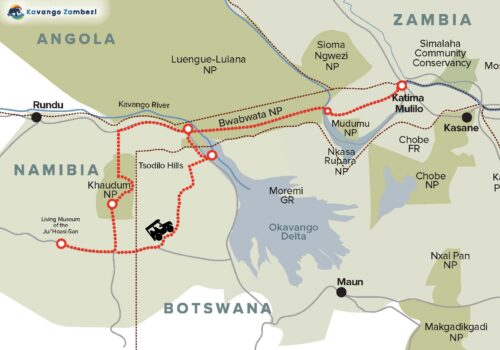
Birding Safari Itinerary: Namibia and The Panhandle – 14 days or more