Angola
  Botswana
  Namibia
  Zambia
  Zimbabwe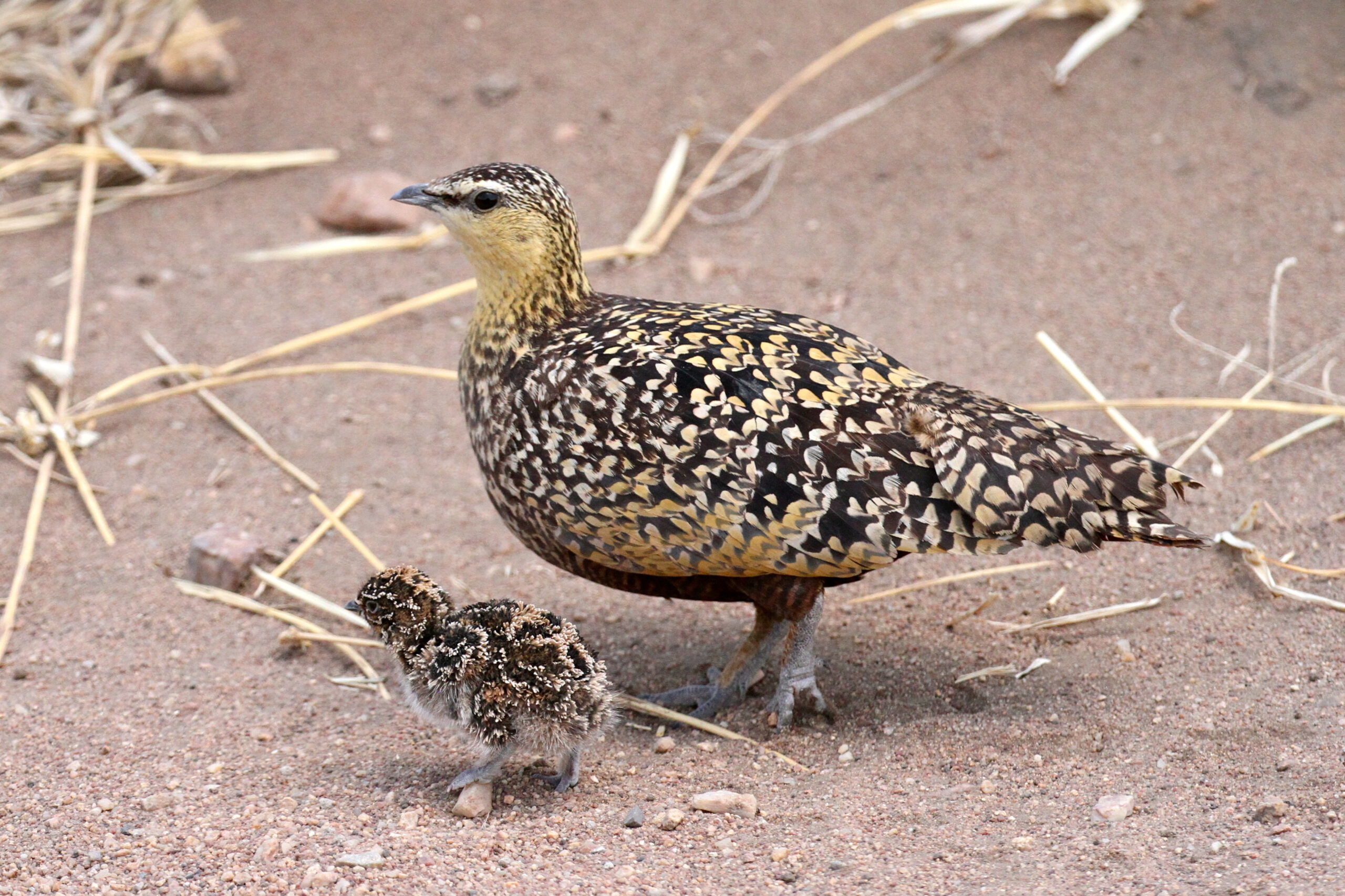
Zambia: Sioma Ngwezi Management Complex
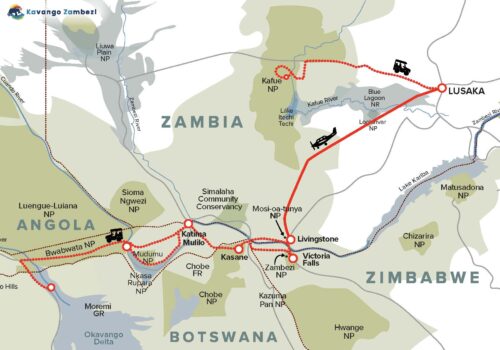
The Sioma Ngwezi Management Complex lies in Zambia’s far south-west, squeezed between the borders with Angola and Namibia, and protects a vital area of cross-border wildlife connectivity at the heart of the Kavango-Zambezi TFCA. Sioma Ngwezi National Park occupies nearly this area, and at 5,276 km2 is Zambia’s third largest national park. It is also one of the region’s least developed, with a long history of poaching and neglect (partly the legacy of the Angola war) – though new management in recent years is making a positive impact.
Outside the national park, the complex includes an important stretch of the Zambezi River, including the spectacular Ngonye Falls, and embraces the Lower West Zambezi Game Management Area and southern tip of the Barotse floodplain. The area as a whole comprises a rich suite of habitats, from the flooded grasslands of Barotseland to the wooded savannahs further south. More than 300 bird species have been recorded, offering rich pickings for the adventurous birder.
Sioma Ngwezi National Park protects several distinct woodland habitats, including teak, miombo, acacia, mutemwe and mopane. Key bird species here include Bradfield’s Hornbill, a regional endemic, distinguished from other hornbills by its orange bill, as well as Yellow-throated Sandgrouse, Acacia Pied Barbet, Marico Flycatcher, Black-faced Waxbill and the striking Crimson-breasted Shrike. Areas of open grassland also provide habitat for Burchell’s Sandgrouse and Cape Starling, while summer nights see the spectacular flight of the Pennant-winged Nightjar.
The Zambezi River lies east of the park and is a haven for waterbirds. Conspicuous residents include the African Fish Eagle, betrayed by its ringing call, and Long-tailed Cormorants, typically perched on drowned trees, while African Skimmers frequent open stretches with sandbanks and African Finfoots forage along quiet backwaters. During October and November, this area sees the jaw-dropping spectacle of Black-winged Pratincoles migrating south in their tens of thousands. Ngonye Falls lies on the Zambezi north of the national park and is the area’s key tourist attraction. Now a Community Partnership Park, it provides habitat for numerous bird species, including potentially Pel’s Fishing Owl and Schalow’s Turaco in the big riparian trees.
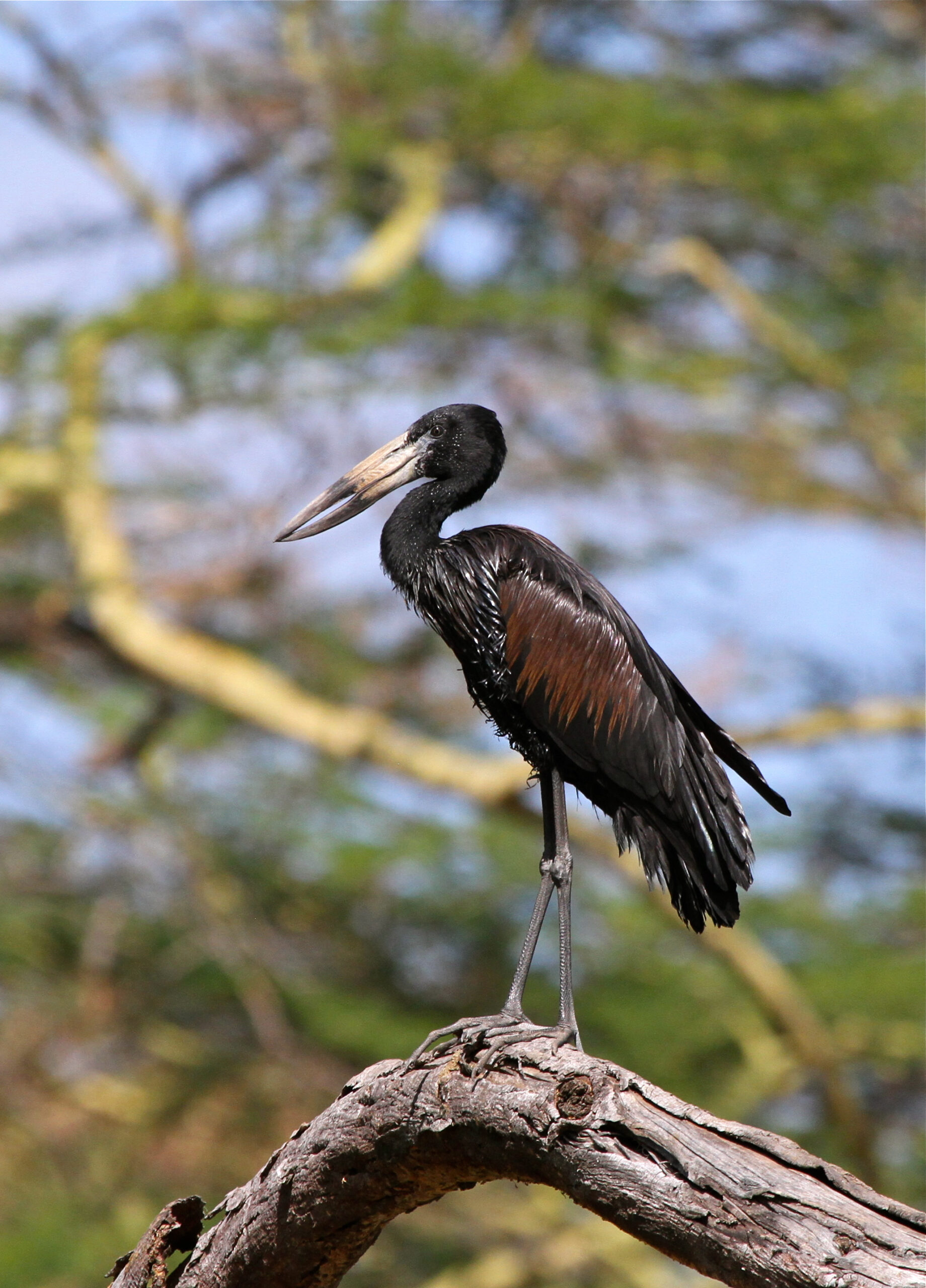
The northern part of the complex overlaps with the southern tip of the vast Barotse floodplain. Here the seasonally flooded grasslands hold globally important breeding species, including slaty egret, endemic to the region, and the threatened wattled crane. During summer, they also host vast numbers of visitors from the north, including waterbirds such as White-winged Tern, Caspian Plover and Great Snipe, plus migratory raptors such as Pallid Harrier and Lesser Kestrel. Huge flocks of Open-billed storks often circle high above the floodplain.
Birders can access this region via Katima Mulilo in Namibia’s Caprivi Strip or by a longer drive from Livingstone. There is plentiful accommodation in lodges and fishing camps along the Zambezi, many offering boat trips – especially around Ngonye Falls. Sioma Ngewzi National Park currently has only rudimentary accommodation, with few roads and a limited infrastructure, so is ideal for the independent, self-drive traveller who prefers their birding off the beaten track. The reward for this adventure is a pristine environment all to yourself, with underexplored habitats that might well reveal new and exciting bird records for the region.