Angola
  Botswana
  Namibia
  Zambia
  Zimbabwe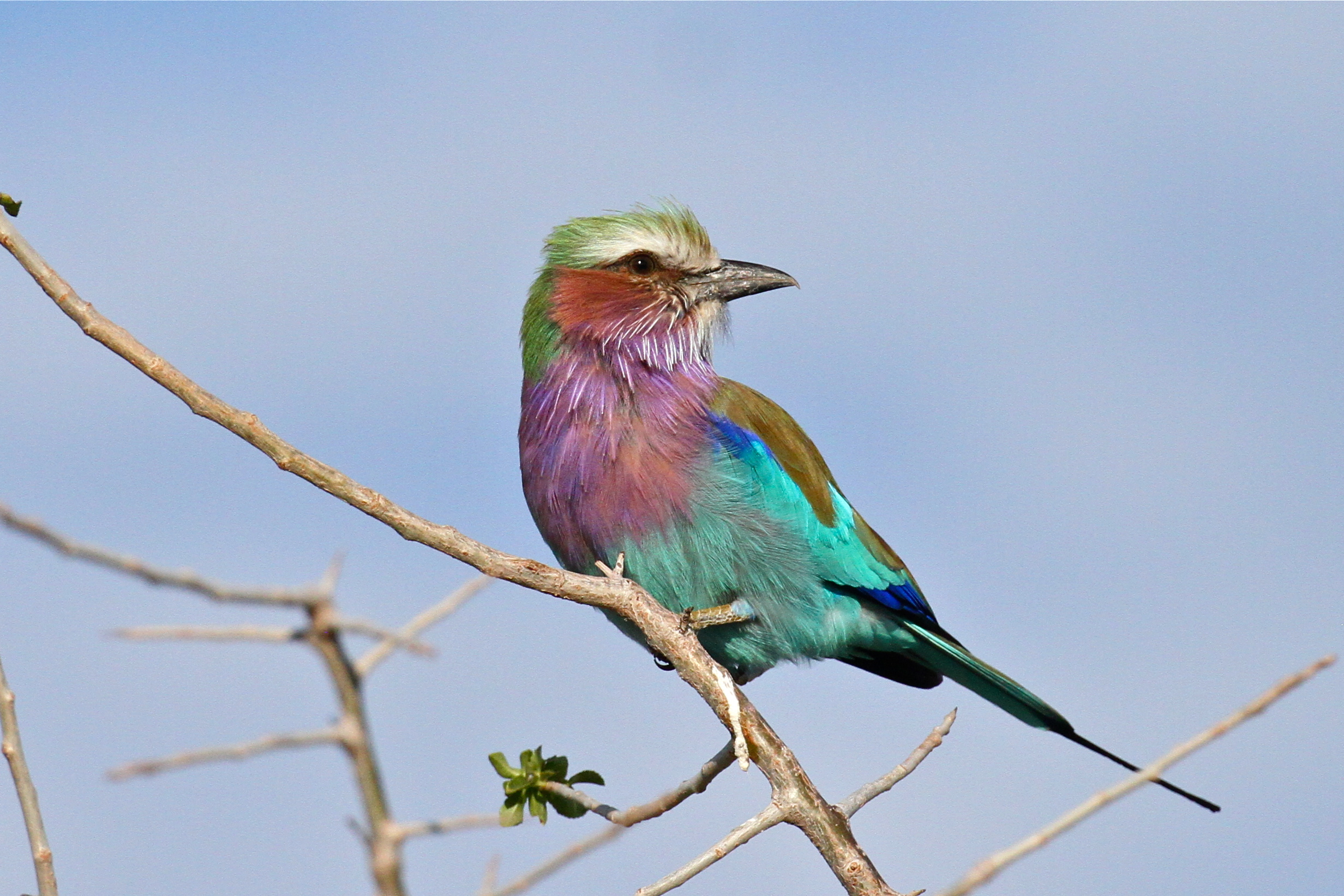
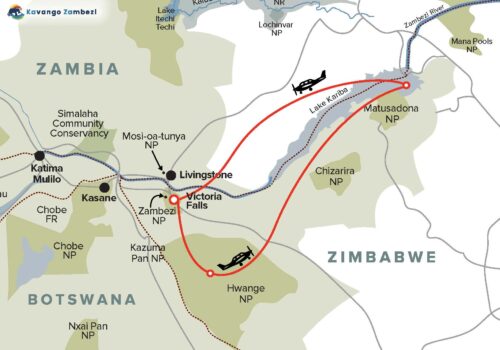
Hwange National Park and Kazuma Pan
Hwange National Park lies in Zimbabwe’s northwest corner, along the border with Botswana. At 14,600 sq km, this is the country’s largest and best-known reserve, celebrated for its huge herds of elephant and buffalo, plus the likes of lion, wild dog and other A-list predators. For birders, the park is equally exciting, with its checklist of over 400 species reflecting its location at the intersection of several key habitats.
Kalahari sand, here at its easternmost limit, underlies much of Hwange, supporting a typical Kalahari thornveld habitat of scattered trees and shrubs. Birders here can thus seek out Kalahari specials such as Kalahari Scrub-robin, Stierling’s Wren-Warbler and Black-chested prinia, alongside more conspicuous savannah woodland species such as Lilac-breasted Roller and White-crowned Shrike.
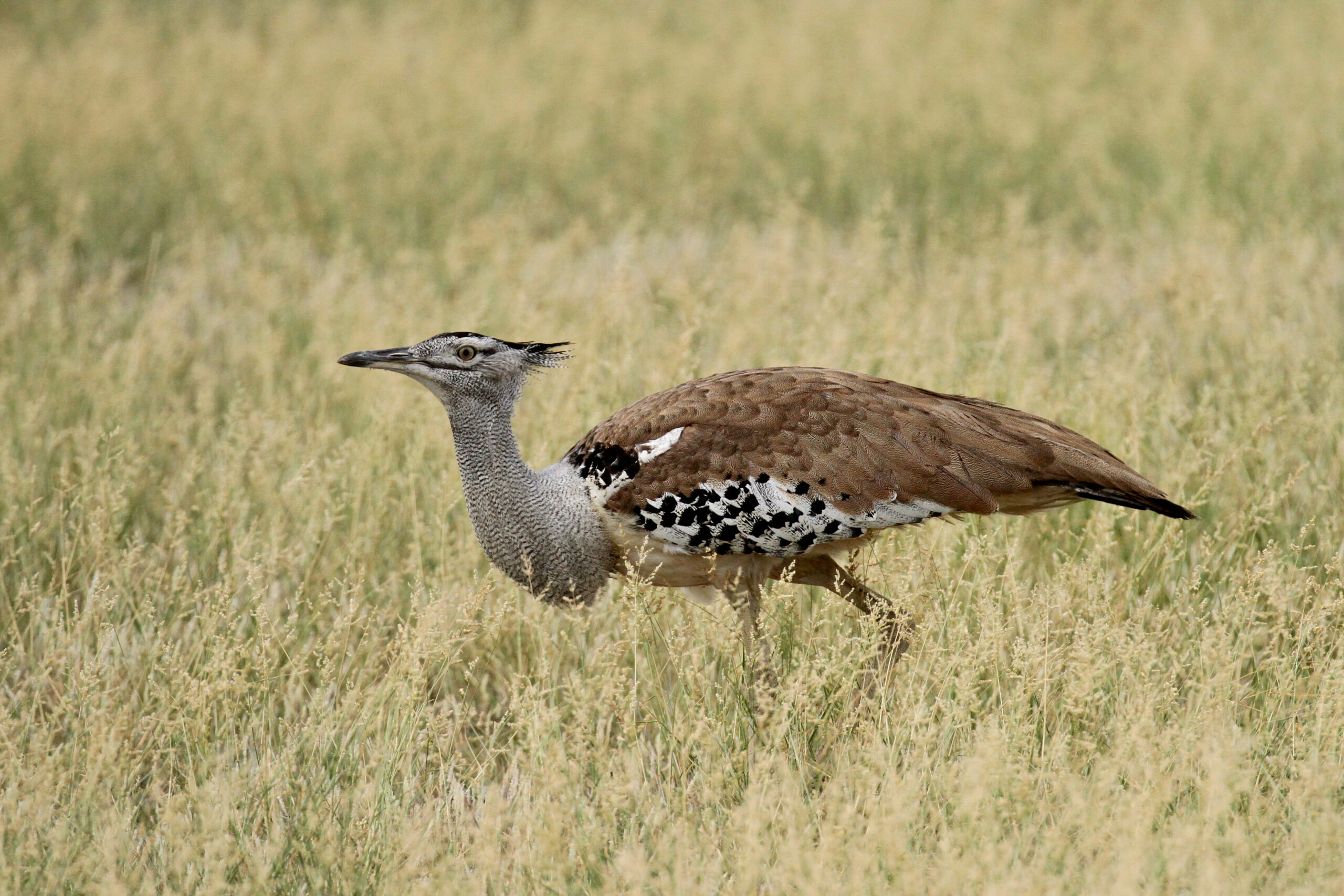
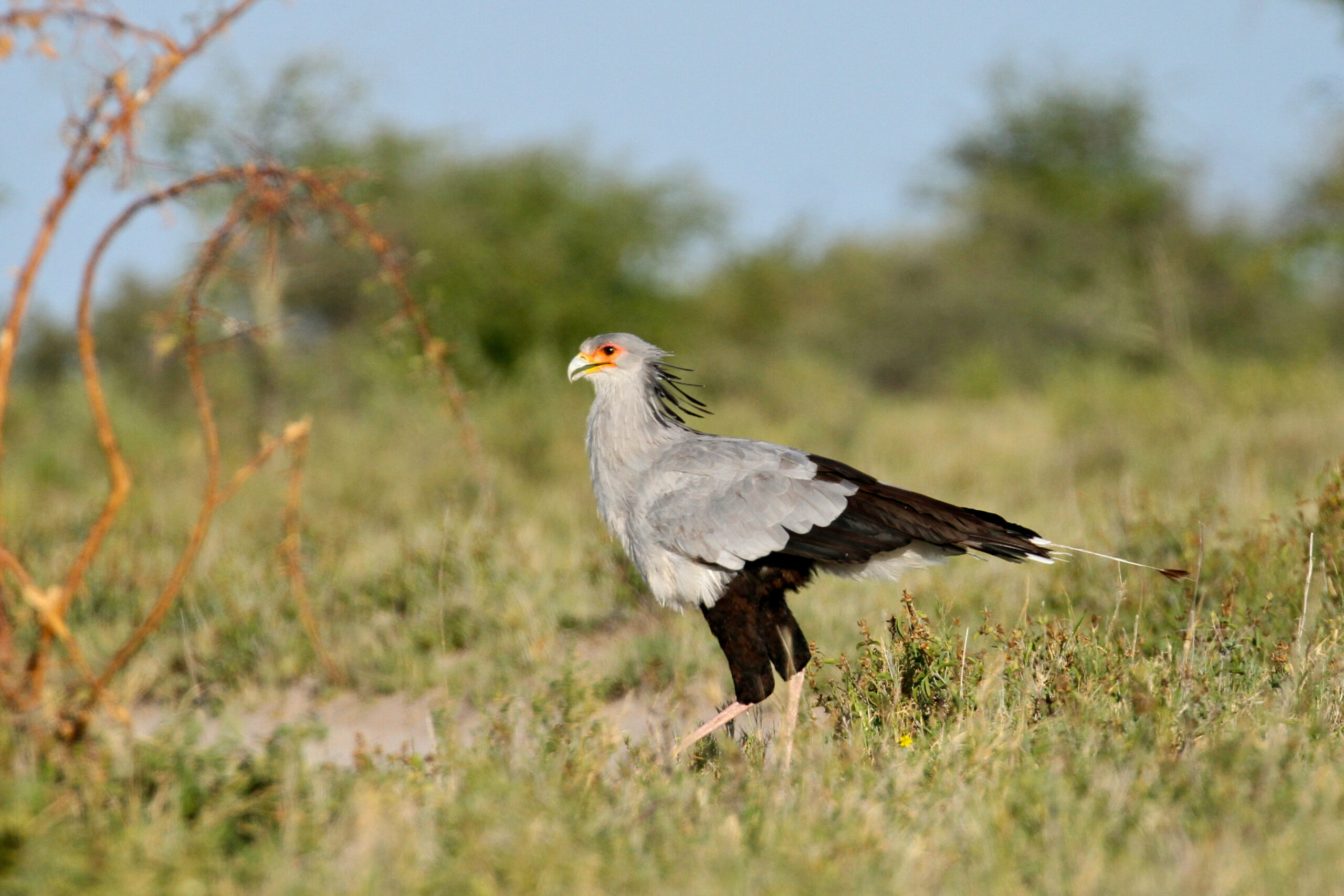
In some places, such as the south-eastern Ngamo Plains, the thornveld gives way to open grassland. Here, Kori Bustard and Secretary Bird stalk the savannah, while the Yellow-throated Sandgrouse is among three sandgrouse species that thrive in the semi-arid terrain. Elsewhere, notably along the eastern boundary, there are dense tracts of dry deciduous woodland, dominated by African teak and wild syringa. Birds of local interest in this habitat include Southern Pied Babbler, Broad-tailed Paradise Whydah and the endangered Bradfield’s Hornbill, while summer evenings may reveal Pennant-winged Nightjars trailing their spectacular plumes.
Further north, as the land slopes down towards the Zambezi Valley, this dry deciduous woodland is replaced by mopane woodland. Here you will find a subtly different bird assemblage, including specials such as Lilian’s Lovebird, Grey-headed Parrot, Crested Guineafowl, African Barred Owlet and Racquet-tailed Roller. In the Sinamatella region, this habitat is punctuated by large granite outcrops. Look out here for the dapper Arnot’s Chat – and keep your ears open at dusk for the yapping of the Freckled Nightjar. During the rains, patches of riparian forest may even reveal the elusive African Pitta.
No permanent rivers flow through Hwange, but a scattering of dry calcrete pans hold water seasonally, with boreholes keeping some filled year-round. These attract plentiful waterbirds, from Woolly-necked Stork and Pink-backed Pelican to Dwarf Bittern and African Jacana, while a variety of migrant waders pass through and unusual waterfowl such as Maccoa Duck and Pygmy Goose move in during the rains. At Mandavu Dam, near Sinamatella, keep an eye out for the resident Goliath Herons, plus flocks of Whiskered Terns and the odd passing African Skimmer.
Hwange is also a raptor paradise. Scanning the skies will often produce a variety, from eagles such as Martial, Bateleur and Tawny to vultures including Lappet-faced, White-backed and White-headed, while rarities such Western-banded Snake Eagle and even the odd Egyptian Vulture have been recorded. Smaller raptors, including African Hobby arrive during the rains, when termite emergences may produce impressive gatherings of migratory eagles, including Steppe and Lesser Spotted.
Happily, Hwange is easy to reach – either by air, or by road from Victoria Falls or Bulawayo. The park has a decent road network and a variety of accommodation, from simple government rest camps to more upmarket private lodges, and is ideal for self-drive. The total protected area is almost doubled by a patchwork of contiguous wildlife management and forest areas that buffer the reserve boundaries – many, such as Deka and Sikumi, also offering lodges and safari activities.
To the north of Hwange, and connected via this conservation corridor, lies the wilderness of Kazuma Pan National Park. This remote destination has its challenges, with limited roads, rudimentary camps, and large areas inaccessible during the rains. For the adventurous birder, however, its open plains and seasonally flooded pans offer rich rewards, including large flocks of waterfowl and waterbirds, plentiful Grey Crowned Cranes, a wealth of raptors and a broad spectrum of Kalahari woodland species. What’s more, you’re likely to have the place all to yourself.
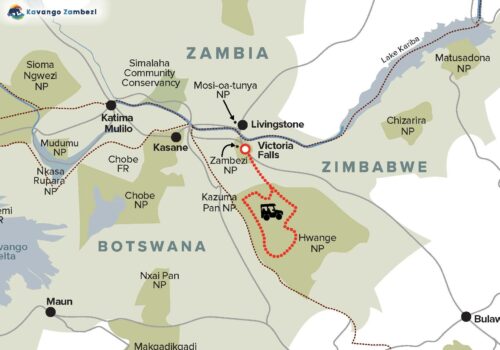
Hwange explore – 3 days or more
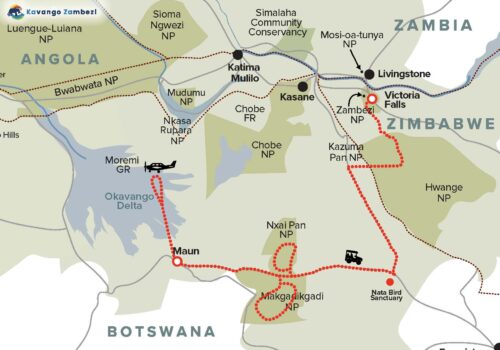
Birding in BOTSWANA AND ZIMBABWE – 14 days or more